Sleep disturbances linked to poor quality of life in obese

A new research has showed that poor sleep quality is strongly associated with mood disturbance and lower quality of life among people with extreme obesity.

Results show that 74.8 percent of participants were poor sleepers, and their mean self-reported sleep duration was only six hours and 20 minutes.

Fifty-two percent of study subjects were anxious, and 43 percent were depressed. After controlling for age, sex, hypertension, diabetes, and obstructive sleep apnea, sleep quality and daytime sleepiness were significantly associated with mood disturbance and quality of life impairment.

“There was a clear association between the sleep problems such as short sleep duration and the psychological disorders and with quality of life,” Dr. G. Neil Thomas, from the University of Birmingham in the United Kingdom, said. “These associations remained significant even after adjusting for a range of potential confounders.

According to the authors, the potential role of sleep in the health and well-being of individuals with severe obesity is underappreciated. The results suggested that the early detection of disturbed sleep could prevent the potential development and perpetuation of psychological problems among people with extreme obesity.

The study was published in the journal Sleep.
Source: dna India


Vitamin D Deficiency Linked to Brain Damage, Says Study

A recent study, published by researchers from the University of Kentucky, in the journal Free Radical Biology and Medicine, suggests that low levels of vitamin D may cause brain damage.

Vitamin D is a fat-soluble vitamin present in few natural foods, including fatty fish, cheese and egg yolks; a variety of foods, meanwhile, are artificially fortified with vitamin D, including milk, cereals and margarine. Vitamin D manufacture can also be achieved endogenously, when rays of light strike the skin. This photochemical process triggers the production of vitamin D3 (a.k.a. cholecalciferol) from its precursor, 7-dehydrocholesterol.

Vitamin D confers a number of benefits, ranging from promotion of calcium absorption in the gut, maintaining serum calcium and phosphate levels, as well as bone growth and remodeling. On top of this, vitamin D regulates a number of genes that are involved in cell division, differentiation and an essential form of programmed cellular death (apoptosis). It is thought that vitamin D serves a variety of roles in inflammatory processes and could even serve neuromuscular and immune functions.

The Rat Research Models
The latest scientific research suggests that the vitamin may serve a critical role in protecting the brain from free radical-induced damage. The researchers used a series of rat models to test the influence of differing concentrations of dietary vitamin D. A total of 27 male rats were divided into three separate groups; one group was fed a diet that contained low concentrations of vitamin D (100 IU/kg food), another was used as a control (1000 IU/kg food) and the final group received a diet enriched in the vitamin (10,000 IU/kg food).

The trial began as the rats hit middle-age and lasted for a period of four to five months. The research group measured the level of oxidative and nitrosative stress in a specific part of the rat brains, located in the posterior cortex.

Intriguingly, the group found an elevation in the level of a reactive nitrogen species, called 3-nitrotyrosine, in those rats that had received inadequate levels of vitamin D. Nitrotyrosine is considered a marker of cellular damage and inflammation and has been found to be elevated in a number of pathologies, including inflammatory diseases, lung disease, sepsis and atherosclerosis.

The researchers believe that the increase in nitrotyrosine is caused by disruption of a protein complex (NF-?B) that is recruited during cellular stress. In addition, after performing redox proteomics, a number of proteins in this region of the brain were found to be damaged in those rats that were provisioned low vitamin D diets.

When examining the real-world affect that this vitamin D deficiency had on the rats, the research team established that subjects provided with an abundance of the sunshine vitamin excelled in cognitive performance tests. Specifically, when investigating learning and memory capacity, rats given diets consisting of 100 IU/kg of food were found to lag behind the other two groups, significantly.

The Future
Allan Butterfield was the lead author of the latest study, who works as a professor in the UK Department of Chemistry and as the director of the Center of Membrane Sciences, faculty of Sanders-Brown Center on Aging. Also acting as the director of the Free Radical Biology in Cancer Core of the Markey Cancer Center, Butterfield briefly discussed his research endeavors and what they could mean for elderly populations.

“Given that vitamin D deficiency is especially widespread among the elderly, we investigated how during aging from middle-age to old-age how low vitamin D affected the oxidative the oxidative status of the brain… Adequate vitamin D serum levels are necessary to prevent free radical damage to the brain and subsequent deleterious consequences.”
This problem is exacerbated in developing countries, where food nutrition is problematic. Likewise, individuals that inhabit regions that receive little sunlight and those who work indoors for long periods are also prone to deficiency, as are elderly people who lead sedentary lifestyles.

In the past, prior scientific studies have implicated hypovitaminosis D in Alzheimer’s disease, with a number of researchers suggesting its use as a biomarker of disease progression. A recent study, published in the Journal of Alzheimer’s Disease, entitled Low serum vitamin D concentrations in Alzheimer’s disease: a systematic review and meta-analysis, found there to be low serum vitamin D levels in Alzheimer’s patients, relative to controls.

Meanwhile, a study produced by Lu’o’ng and Nguyen, which explored the beneficial role of vitamin D in Alzheimer’s patients, found that its absence could trigger mood problems and cognitive impairment. They also point to evidence that links vitamin D deficiency to a number of proteins that are adversely affected in Alzheimer’s disease pathology.

Aside from neurological disease, a number of studies have linked deficiency of the vitamin to the development of cancers and cardiovascular pathologies. Osteomalacia and rickets, witnessed in adults and children, respectively, are commonly documented complications of vitamin D deficiency, causing softening and bowing of bones.

In concluding, Butterfield recommends people consult their general practitioners to determine their vitamin D levels, eat food enriched in vitamin D and get a minimum of 10 to 15 minutes of sun exposure every day; he also suggests individuals prone to deficiency should ask their doctor for advice about taking vitamin D supplements.

Source: Guardian express


Radiographic imaging exposes relationship between obesity and cancer

Researchers at the National Institute for Aging are working to improve understanding about obesity and cancer. A study, published today in the journal Applied Physiology, Nutrition, and Metabolism, is the first to use direct radiographic imaging of adipose tissue rather than estimates like body mass index (BMI) or waist circumference, and focuses on the relationship between obesity and cancer risk in aging populations. Findings emphasize the negative impact of adiposity on long term health particularly for older men and women.

The researchers investigated relationships between fat mass and risk of developing cancer in 2,519 older adults in the Health, Aging, and Body Composition Study, a prospective, population-based study supported by the National Institute on Aging. They measured total body fat and body fat within the abdomen and thigh including visceral fat (adipose around the internal organs) and subcutaneous fat with radiographic images. Individuals were followed for cancer incidence over 13 years.

According to the study, “results suggest that adiposity may carry risk for cancers beyond those identified as obesity-related by the National Cancer Institute and further suggest a possible sex differential with respect to adipose and cancer risk.”

Dr. Rachel Murphy, lead author on the study, is a researcher at the Laboratory of Epidemiology, and Population Sciences, Intramural Research Program, National Institute on Aging, in Bethesda, Maryland.
She said, “I think it’s important to realize that BMI is not the only indicator of health to concentrate on. After controlling for risk factors we found that greater fat confers risk for cancer in older men and women. For example, women with more overall fat mass and more visceral fat had a higher risk of developing cancer.”

“For men, greater visceral adipose was a particularly strong risk factor for many types of cancer regardless of the individual’s BMI. Men with the most visceral fat had a nearly 3 times higher risk of many types of cancer (esophagus, pancreas, colon and rectum, kidney, thyroid, and gallbladder) compared to men with little visceral fat. When we controlled for BMI, the risk for visceral fat was strengthened.”

“These findings provide new insight into obesity and cancer in old age, and suggest that interventions to target visceral adipose in addition to promotion of healthy body weight may impact future cancer risk.”

Source: Medical express


5 ways to stop snoring

There’s no miracle cure for snoring, but lifestyle changes may help.
As snoring can be related to lifestyle, there are some simple changes you can make to minimise it.

Snoring self-help tips:

Maintain a healthy diet and weight. Being overweight by just a few kilograms can lead to snoring. Fatty tissue around your neck squeezes the airway and prevents air from flowing in and out freely.

Try to sleep on your side rather than your back. While sleeping on your back, your tongue, chin and any excess fatty tissue under your chin will probably relax and squash your airway. Sleeping on your side prevents this.

Avoid alcohol before going to bed. Alcohol causes the muscles to relax more than usual during a normal night’s sleep. This added relaxation of the muscles makes the back of the throat collapse more readily, which then causes snoring.

Quit or cut down on smoking. Cigarette smoke irritates the lining of the nasal cavity and throat, causing swelling and catarrh. If the nasal passages become congested, it’s difficult to breathe through your nose because the airflow is decreased.

Keep your nasal passages clear so that you breathe in through your nose rather than your mouth. Try rubbing a few drops of eucalyptus or olbas oil onto your pillowcase. If an allergy is blocking your nose, try antihistamine tablets or a nasal spray. Ask your pharmacist for advice, and see your GP if you’re affected by an allergy or condition that affects your nose or breathing.

Source: nhs choices


More teens visiting emergency room after using Ecstasy, Molly

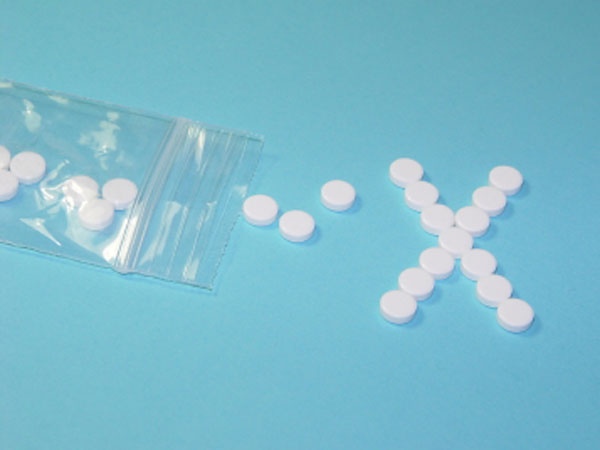
The number of U.S. teens who wind up in the emergency room after taking the club drug Ecstasy has more than doubled in recent years, raising concerns that the hallucinogen is back in vogue, federal officials report.

Emergency room visits related to MDMA — known as Ecstasy in pill form and Molly in the newer powder form — increased 128 percent between 2005 and 2011 among people younger than 21. Visits rose from about roughly 4,500 to more than 10,000 during that time, according to a report released Tuesday by the U.S. Substance Abuse and Mental Health Services Administration.

“This should be a wake-up call to everyone, but the problem is much bigger than what the data show,” said Steve Pasierb, president and CEO of The Partnership at Drugfree.org. “These are only the cases that roll into the emergency rooms. It’s just the tip of the iceberg.”

The SAMHSA study comes on the heels of a string of Ecstasy-related deaths. Organizers closed the Electric Zoo music festival in New York City one day early in August following two deaths and four hospitalizations caused by Ecstasy overdoses. The deaths came a week after another young man died from Ecstasy overdose at a rock show in Boston.

Ecstasy produces feelings of increased energy and euphoria, and can distort a person’s senses and perception of time. It works by altering the brain’s chemistry, but research has been inconclusive regarding the effects of long-term abuse on the brain, Pasierb said.

However, ecstasy abuse can cause potentially harmful physical reactions, Pasierb said. Users can become dangerously overheated and experience rapid heartbeat, increased blood pressure and dehydration, all of which can lead to kidney or heart failure.

Alcohol also appears to be a factor. One-third of the emergency room visits involving Ecstasy also involved alcohol, a combination that can cause a longer-lasting euphoria, according to SAMHSA. Teens can become less aware of how much alcohol they’ve consumed, and also can be more likely to make poor decisions that lead to bodily harm.

The newest form of MDMA, the powder Molly, appears to be driving the latest surge in Ecstasy use.

The study relied on data produced by the Drug Abuse Warning Network, a public health surveillance system that monitors drug-related hospital emergency department visits and drug-related deaths.

MDMA affects a person’s level of serotonin, a hormone that helps regulate sleep cycles and is responsible for feelings of happiness and well-being, said Peter Delany, director of SAMHSA’s Center for Behavioral Health Statistics and Quality. Overuse can cause depression, confusion, paranoia, anxiety and sleep disorders.

The Molly that currently is on the streets is usually a very pure crystalline form of MDMA, Delany said. Users can snort it, mix it in alcohol or some other liquid, or take it in a gel cap.

Delany noted that the number of emergency room visits caused by MDMA pales in comparison to the 1.5 million ER visits linked to drug use every year, but said both the rapid increase and the age of the victims are causes for concern.

The use of alcohol with MDMA can create a person who is drunk but hyper-aware, said Delany, comparing it to giving coffee to a drunk person. “You don’t want that, because then you have a wide-awake drunk,” he said.

For his part, Pasierb noted how Ecstasy’s popularity has fluctuated.

Ecstasy underwent a huge rise in use between 1999 and 2001, where it jumped from the club scene and into the mainstream, Pasierb said. Then news of deaths related to Ecstasy began to circulate, and use plummeted.

“We’ve had this six-year quiet lull, and now we’ve got a whole new generation of young people who are being marketed a new product under the name ‘Molly,'” he said.

Molly presents additional problems because it is a powder, and often contains a cocktail of chemicals in addition to MDMA, Pasierb said.

“When it was in a finished pill, it was difficult to tamper with,” he said. “But now that it comes in a powder form, you might have an unscrupulous dealer who cuts it with speed or some other substance.”
Source: Philly


Frito-lay releases Cheetos that taste like stew

Frito-Lay has just introduced “Cheetos! Cream stew” that is meant to taste like cream stew, a traditional Japanese meal that contains beef, vegetables and other stock ingredients, according to the website for Japan Frito-Lay Ltd..

Cream stew is just the latest in a string of new and unique Cheeto flavors. Just this summer, Frito-Lay released Pepsi-flavored Cheetos to decidedly mixed reviews. Unfortunately for adventurous American eaters, these special flavors are only sold in Japan.

It might sound wacky, but combining this savory stew with that oh-so-familiar crunchy Cheeto crisp might not be all that bad. Who knows? Maybe we’ll be seeing Chicken Noodle Soup Cheetos soon.

Cream Stew Cheetos hit stories in Japan Monday and will be available until March 2014.

Source: healcon


4 Great Car Features For Older Drivers

We live in interesting times.

Computers, smartphones, and other gadgets have made the world a smaller place, metaphorically speaking. Automobiles and airplanes allow us to travel in hours distances that would’ve taken days or weeks just a century ago. And advances in safety and medical technology have extended the human lifespan by decades: in the early 1900s, the global life expectancy for a newborn was around 40 years (PDF), but today, that figure is nearly 70.

There’s a downside to that last item, though: as we live longer, our cognitive abilities often degrade, diminishing our ability to drive safely. This creates stress for many families, as they have to ask parents, grandparents, aunts, and uncles to hand over the keys.

But long before mental abilities begin to fade, older motorists can face physical problems that make driving more difficult. As part of the American Occupational Therapy Association’s Older Driver Safety Awareness Week (December 2 – 6), AAA has updated its list of car features that benefit senior drivers. Among those features:

Keyless entry and ignition
As anyone with arthritis knows, gripping keys of any size can sometimes be a challenge. Vehicles that permit drivers to open doors and start vehicles by carrying a fob in their pocket or purse help solve that problem.

Six-way adjustable seats
This common feature can be a lifesaver for adults with knee, hip, and leg impairments, allowing them to enter and exit a vehicle with greater ease.

Thick steering wheels
As with keys, many seniors have trouble gripping ordinary steering wheels. Thicker wheels make it easier for drivers to control vehicles, boosting safety.

High-contrast displays
It’s no secret that vision often deteriorates with age. In the days of analog gauges, that often presented problems for older drivers, but now that so many dashboards consist of digital screens, drivers have greater control over the way that information is displayed. Increasing the contrast gives drivers access to the information they need at just a glance.

According to AAA’s Jake Nelson, “A 2012 survey revealed that only one in 10 senior drivers with health issues are driving a vehicle with features like keyless entry or larger dashboard controls that can assist with such conditions.” Now, as many shoppers look for bargains on 2013 models — or check out new 2014 vehicles — it’s a great time to keep options like these in mind.
Source: the car connection


FDA warns that some Philips HeartStart defibrillators may not work

Federal health regulators are warning the public that certain cardiac defibrillators recalled by Philips Healthcare may fail to deliver a needed shock in an emergency.

Defibrillators are used by emergency responders and others to restore normal heart function in people suffering a heart attack. The FDA says an electrical problem with recalled Philips’ HeartStart devices could cause them to fail to deliver a life-saving shock.

Philips recalled three models of its HeartStart devices in September 2012 due to an internal electrical malfunction. The recall affects about 700,000 defibrillators sold between 2005 and 2012. The recalled HeartStart FRx and HS1 (OnSite and Home) devices include an electrical part called a resistor that could fail when high voltage is applied, and that could prevent the device from delivering the necessary shock. If the resistor fails, the device will emit an audible triple-chirp alert.

Customers who have received the affected devices should contact Philips at 1-800-263-3342 to receive a replacement. Until a replacement is received, the agency does recommend keeping the recalled defibrillators in service because it considers the benefits of attempting to use the device in a cardiac arrest emergency greater than the risk of not attempting to use the defibrillator, said Steve Silverman, director of the Office of Compliance in the FDA’s Center for Devices and Radiological Health, in a statement Tuesday.

In March the FDA proposed new requirements for companies that manufacture external defibrillators, which are found everywhere from hospitals to schools to airports. The proposed rules would require an FDA review of devices before their launch and are intended to curb years of recalls caused by design and manufacturing flaws.

Philips said Tuesday that it has not received any reports of patient harm due to this recall and has been working closely with regulatory authorities and with customers to address this issue.

Source: Fox News


Four California students sickened with meningitis bacteria

An outbreak of disease linked to bacteria that cause meningitis has sickened four students at a major California university, prompting discussions with federal regulators about hastening approval of a new vaccine.

The students, at the University of California at Santa Barbara, were all sickened within a three-week period last month with meningococcal disease, a sometimes fatal illness that can affect the brain or the blood, according to a spokeswoman for the Santa Barbara County Department of Public Health.

The students were stricken by a form of the bacteria that does not respond to the meningitis vaccine currently approved for use in the United States, said the spokeswoman, Susan Klein-Rothschild.

A vaccine known to be effective against this form of meningitis is approved for use in Europe, and Santa Barbara public health officials were in discussions with the federal Centers for Disease Control and Prevention about using it to protect students at the California university.

The discussions come after federal officials agreed to allow Princeton University in New Jersey to administer the European vaccine, Bexsero, after eight students there were diagnosed with similar infections since March.

Meningitis, which causes the brain and spinal cord to swell, is spread through coughing and exchanges of saliva, and people living in dormitories or other crowded living quarters are especially at risk.

The most severe cases can result in death, hearing loss, brain damage, kidney disease or amputation of limbs.

In the Santa Barbara cases, one student has been permanently disabled, Klein-Rothschild said, declining to provide further details on the case, citing privacy issues.

To prevent additional cases, Santa Barbara public health officials will provide the antibiotic Cipro to students and others who may have been exposed to the bacteria. Students will also be taught to recognize and respond quickly to signs of infection, which include fever and headache.

In addition, the university is suspending social events by fraternities and sororities, saying the parties put too many students in close quarters and could cause the outbreak to spread further.

Students and faculty can also protect themselves by maintaining good hygiene and nutrition, and getting plenty of sleep during the highly stressful exam period, which begins this month, Klein-Rothschild said.

Bexsero, a new vaccine made by Swiss drugmaker Novartis, is designed to protect against serogroup B, a strain of meningitis that is not as common in the United States as it is in other parts of the world, Reynolds said.

source: Yahoo News


Two in five kids don’t have right BMI: Survey

Two out of five kids in India were found not to have the right Body Mass Index (BMI) levels, according to a health and fitness survey which covered 77,669 children in 176 schools across the country.

The children were in the age group of 7-17 years from 176 schools in 68 cities and 17 states. The fitness parameters were measured over a period of 24 months.

The parameters included flexibility, lower and upper body strength, abdominal strength and BMI which evaluates a person’s body weight in proportion to the height.

“In a comparative study between boys and girls, it was found that 66 percent girls have healthy BMI scores compared to 59 percent boys. The primary causes for higher BMI are sedentary lifestyles, unhealthy eating habits and little or no play,” the report said.

It also states that high BMI is a direct indicator of the onset of obesity which can lead to several health problems including type 2 diabetes, heart ailments and high blood pleasure as early as adolescence.

The fourth edition of Edusports annual school health and fitness survey of school going children in urban India was conducted by EduSports, a school sports and physical education company.

According to the survey, children in all five regions of the country were deemed equally unfit with unhealthy BMI scores of 37 percent (central), 39 percent (east and north), 37 percent (south) and 38 percent (west).

Encouraging schools to increase their physical education periods, and proposing a structured sports programme as a solution, Saumil Majumdar, CEO and co-founder of Edusports said: “A structured sports programme is the way forward, if any change in the fitness levels of children is desired. It is disheartening to witness an unhealthy generation that is otherwise ahead of its time.”

“The alarming fitness standards that have emerged in our annual study, again prove that physical activity/sports in schools should be viewed as an important part of the curriculum for the overall development of a child,” he added.

Source; News Track India
