Electricity may help curb migraine pain

Imagine reducing migraine pain just by delivering low doses of electricity to the brain!

 Ultra-focused electric current can significantly curb pain due to a persistent migraine, a new study suggests.

Alex DaSilva, assistant professor of prosthodontics at the University of Michigan, and colleagues are optimising the next generation for such a technique, called high-definition transcranial direct current stimulation, or HD-tDCS.

The researchers have published several studies with the conventional tDCS, which also treats pain by “shocking” the brain with low doses of electrical current delivered noninvasively through electrodes placed on the scalp.

The current modulates targeted areas of the brain, and one of the mechanisms is by activating the release of opioid-like painkillers.

HD-tDCS delivers an even more precisely focused current to the targeted areas of the brain. Preliminary reports have shown better pain relief in patients and a longer and more pronounced effect on the brain, said DaSilva.

The increased precision of HD-tDCS means researchers can custom-place the electrodes to the skull. In this way, they can modulate specific areas in the brain to treat a wider range of conditions, such as neuropathic pain and stroke.

Other uses include neurophysiological studies and cognitive and behavioural assessments.

One 20-minute session of HD-tDCS significantly reduced overall pain perception in fibromyalgia patients as described in one of the studies.

Researchers control the current by a portable device, which they hope physicians can eventually use in the clinic as a noninvasive treatment for chronic pain patients.

“We are working hard to make the technology available for clinical use at U-M,” DaSilva said.

“Our lab is getting a good number of emails from chronic pain patients looking for treatment,” said DaSilva.

Source: Business standard


Protein-rich diet can help cut rebound weight gain

Researchers have found that a diet rich in protein and meal replacements can help people, who have lost weight after a successful diet, keep off the kilos.

Research team member Dr Erik Hemmingsson said that the body has several defense mechanisms against weight loss, such as increased hunger, lower energy metabolism and relapse back to old habits.

In their meta-analysis, the team from Karolinska University Hospital combined the results of 20 published scientific studies, including a total of 3,017 participants, who were either obese or overweight at the start of the weight loss process.

The various studies examined the effects of drugs, meal replacements, high protein diets, dietary supplements and exercise on rebound weight gain after an intensive weight loss, low-calorie diet (less the 1,000 calories a day).

Even though the study shows that rebound weight gain is more the rule than the exception, the researchers found that several strategies helped to reduce the unwanted effect: powdered meal replacements and a high protein diet.

The study is published in the American Journal of Clinical Nutrition.

Source: http://bit.ly/1740ExJ


Why diabetics should have regular eye exams

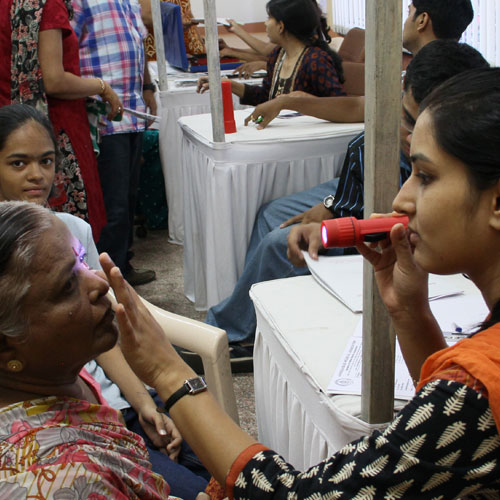
Researchers have said that people who are suffering from diabetes should also get their eye check-ups done regularly.

In the United States, diabetic eye disease is the leading cause of vision loss among working-age adults.

Diabetic retinopathy is the most common form of this disease, and affects about 28.5 percent of Americans with diabetes age 40 and older. That’s more than 7 million people, and the number is expected to reach more than 11 million by the year 2030.

The condition can creep up quietly. It gradually weakens small blood vessels in and around the retina, the light-sensing layer of tissue at the back of the eye. If the disease progresses, these vessels may rupture and leak blood into the eye; they can also spread and grow on the surface of the retina and cause scarring.

Typically, diabetic retinopathy has no symptoms until it reaches an advanced stage. But the disease can be detected early through a comprehensive dilated eye exam. In this procedure, an eye professional will put drops in your eye to dilate (widen) the pupil, which allows a closer look at the retina.

The good news is that with early detection, timely treatment, and appropriate follow-up, the risk of severe vision loss from diabetic retinopathy can be reduced by 95 percent. There are several effective treatment options including laser surgery and injections of anti-VEGF drugs . These drugs block the actions of a protein that can cause abnormal blood vessels to grow and leak fluid.

Source: http://bit.ly/1b2KF5Q


Weight loss surgery has ‘few’ short-term complications for teens

New research has found that severely obese teenagers who undergo weight loss surgery may experience very few short-term complications. This is according to a study published in the journal JAMA Pediatrics.

 Obesity is a growing problem worldwide, particularly for adolescents. According to the Centers for Disease Control and Prevention (CDC), the percentage of obese adolescents in the US aged between 12 and 19 has increased from 5% in 1980 to 18% in 2010.

Researchers from the US, led by investigators from Cincinnati Children’s Hospital Medical Center, say as the rate of adolescent obesity is increasing, so is the popularity of weight loss surgery (bariatric surgery) as a treatment option.

Researchers say that weight loss surgery for teenagers poses very few short-term complications.

Previous data has indicated that bariatric surgery can be safely offered to obese teenagers, the researchers say. However, they note there have been few comprehensive or prospective studies analyzing the safety and outcomes of weight loss surgery in adolescents.

Source: http://bit.ly/Ht6SRk


Strep throat home test ‘could save thousands of doctor’s visits’

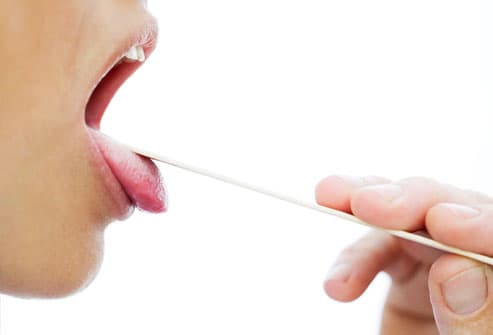
Researchers have created a home test for strep throat that they say is almost as accurate as laboratory tests and could eliminate the need for doctor’s visits for sore throat. This is according to a study published in the journal Annals of Internal Medicine.

 Strep throat is a type of sore throat caused by a bacteria called Streptococcus pyogenes, also known as group A streptococcus (GAS).

This form of bacteria is highly contagious and can be spread through airborne particles when an infected person coughs or sneezes, or through touching infected surfaces.

When a patient visits their physician complaining of a sore throat, they may have a laboratory test carried out to determine whether their sore throat is bacterial or viral. However, a laboratory test may be unnecessary for patients who are deemed as low-risk for strep throat.

The research team from Boston Children’s Hospital and the University of California, San Diego, says the newly created strep home test involves a scoring system that determines whether a patient’s sore throat is viral or bacterial, potentially eliminating the need for doctor’s visits.

The home scoring is based on a patient’s personal health information that is provided by them directly and an assessment of any recent strep encounters within the general population.

The patient’s scores are then compared to traditional “Centor” scores used in laboratory tests to determine whether a patient has strep throat. If a patient’s score shows the likelihood of strep throat to be less than 10%, they are deemed as low-risk.

Doctor’s visits ‘could be reduced by 230,000 a year’

To determine whether the home strep test is accurate, the researchers analyzed 71,776 patients aged 15 years or older who had pharyngitis (sore throat) between 2006 and 2008.

Of these patients, 48,089 were tested for strep throat using laboratory tests at a health clinic, while 23,687 used the home strep test.

Of the patients who were tested during doctor’s visits, 11,614 (24%) tested positive for group A streptococcus pharyngitis, while 5,728 (24%) tested positive using the home test.

From these results, the researchers estimate that if patients aged 15 years or older with sore throats who scored less than 10% on the home strep test avoided visiting the doctors for the “Centor” test, this could reduce doctor’s visits in the US by 230,000 each year and reduce the number of patients prescribed “unnecessary” antibiotics for strep throat by 8,500 each year.

Commenting on their findings, the researchers say:

“The model, based on history and recent, local disease patterns without physical examination information, could help clinicians and patients estimate the likelihood of disease before a clinical encounter and help steer these patients to timely, appropriate care when needed.

In some instances, patients unlikely to have GAS pharyngitis might avoid, or at least delay, an emergency or outpatient visit.”

Researchers have ‘overestimated specificity’

However, in an editorial linked to the study, Robert M. Centor, from the University of Alabama, says that the researchers have “overestimated the specificity” of the home strep test.

“Derivation models almost always give better results than validation data sets,” he says. “We should use the specificity that they found in their validation data as a more accurate estimate of how this model would work in the future.”

He adds that although the goals of the researchers are “admirable,” he doubts that the home test approach is practical or cost-saving for patients, and he details other areas in which savings could be made, such as using recommended generic antibiotic treatment for pharyngitis rather than more expensive options.

Source: http://inagist.com/all/397635658690224128/


10 Reasons to Give Up Diet Soda

When taken at face value, diet soda seems like a health-conscious choice. It saves you the 140-plus calories you’d find in a sugary soft drink while still satisfying your urge for something sweet with artificial sweeteners like aspartame, saccharin, and sucralose. But there’s more to this chemical cocktail than meets the eye.

It confuses your body

Artificial sweeteners have more intense flavor than real sugar, so over time products like diet soda dull our senses to naturally sweet foods like fruit, says Brooke Alpert, RD, author of The Sugar Detox. Even more troubling, these sugar stand-ins have been shown to have the same effect on your body as sugar. “Artificial sweeteners trigger insulin, which sends your body into fat storage mode and leads to weight gain,” Alpert says.

It could lead to weight gain, not weight loss

Diet soda is calorie-free, but it won’t necessarily help you lose weight. Researchers from the University of Texas found that over the course of about a decade, diet soda drinkers had a 70% greater increase in waist circumference compared with non-drinkers. And get this: participants who slurped down two or more sodas a day experienced a 500%greater increase. The way artificial sweeteners confuse the body may play a part, but another reason might be psychological, says Minnesota-based dietitian Cassie Bjork. When you know you’re not consuming any liquid calories, it might be easier to justify that double cheeseburger or extra slice of pizza.

It’s associated with an increased risk of type 2 diabetes

Drinking one diet soda a day was associated with a 36% increased risk of metabolic syndrome and diabetes in a University of Minnesota study. Metabolic syndrome describes a cluster of conditions (including high blood pressure, elevated glucose levels, raised cholesterol, and large waist circumference) that put people at high risk for heart disease, stroke, and diabetes, Bjork explains.

It has no nutritional value

When you drink diet soda, you’re not taking in any calories—but you’re also not swallowing anything that does your body any good, either. The best no-calorie beverage? Plain old water, says Bjork. “Water is essential for many of our bodily processes, so replacing it with diet soda is a negative thing,” she says. If it’s the fizziness you crave, try sparkling water.

Its sweetener is linked to headaches

Early studies on aspartame and anecdotal evidence suggests that this artificial sweetener may trigger headaches in some people. “I have several clients who used to suffer from migraines and pinpointed their cause to diet soda,” Bjork says.

It’ll ruin your smile over time

Excessive soda drinking could leave you looking like a Breaking Bad extra, according to a case study published in the journalGeneral Dentistry. The research compared the mouths of a cocaine-user, a methamphetamine-user, and a habitual diet-soda drinker, and found the same level of tooth erosion in each of them. The culprit here is citric acid, which weakens and destroys tooth enamel over time.

It makes drinking more dangerous

Using diet soda as a low-calorie cocktail mixer has the dangerous effect of getting you drunk faster than sugar-sweetened beverages, according to research from Northern Kentucky University. The study revealed that participants who consumed cocktails mixed with diet drinks had a higher breath alcohol concentration than those who drank alcohol blended with sugared beverages. The researchers believe this is because our bloodstream is able to absorb artificial sweetener more quickly than sugar.

It’s associated with depression

A recent study presented at a the American Academy of Neurology meeting found that over the course of 10 years, people who drank more than four cups or cans of soda a day were 30% more likely to develop depression than those who steered clear of sugary drinks. The correlation held true for both regular and diet drinks, but researchers were sure to note that the risk appeared to be greater for those who primarily drank diet sodas and fruit punches. Although this type of study can’t prove cause and effect, its findings are worth considering.

It may be bad for your bones

Women over 60 are already at a greater risk for osteoporosis than men, and Tufts University researchers found that drinking soda, including diet soda, compounds the problem. They discovered that female cola drinkers had nearly 4% lower bone mineral density in their hips than women who didn’t drink soda. The research even controlled for the participants’ calcium and vitamin D intake. Additionally, a 2006 study published in the American Journal of Clinical Nutrition found that cola intake (all kinds, not just diet) was associated with low bone-mineral density in women.

It may hurt your heart

Just one diet soft drink a day could boost your risk of having a vascular event such as stroke,heart attack, or vascular death, according to researchers from the University of Miami and Columbia University. Their study found that diet soda devotees were 43% more likely to have experienced a vascular event than those who drank none. Regular soda drinkers did not appear to have an increased risk of vascular events. Researchers say more studies need to be conducted before definitive conclusions can be made about diet soda’s effects on health.

Source: http://www.health.com/health/gallery/0,,20739512_last,00.html


Smokers most likely to think about quitting smoking every Monday

Monday is the day when smokers are most likely to think about quitting smoking, a new study of Google search queries has found.

Researchers from San Diego State University, the Santa Fe Institute, The Monday Campaigns and the Johns Hopkins Bloomberg School of Public Health examined weekly patterns in smoking cessation contemplations for the first time.

They monitored global Google search query logs from 2008 to 2012 in English, French, Chinese, Portuguese, Russian, and Spanish for searches related to quitting, such as ‘help quit smoking’.

The study found that people search about quitting smoking more often early in the week, with the highest query volumes on Mondays, using a daily measure representing the proportion of quit smoking searches to all searches.

This pattern was consistent across all six languages, suggesting a global predisposition to thinking about quitting smoking early in the week, particularly on Mondays.

English searches, for example, showed Monday query volumes were 11 per cent greater than on Wednesdays, 67 percent greater than on Fridays, and 145 percent greater than on Saturdays.

In total for all six languages, Monday query volumes were 25 percent higher than the combined mean number of searches for Tuesday through Sunday.

“Popular belief has been that the decision to quit smoking is unpredictable or even chaotic,” said the study’s lead author, San Diego State University’s John W Ayers.

“By taking a bird’s-eye view of Google searches, however, we find anything but chaos. Instead, Google search data reveal interest in quitting is part of a larger collective pattern of behaviour dependent on the day of the week,” Ayers said.

“Campaigns for people to quit may benefit from shifting to weekly cues. We know it takes smokers many quit attempts before they succeed, so prompting them to try again on Mondays may be an effective and easy to implement campaign,” said Joanna E Cohen, coauthor and Director of the Johns Hopkins Institute for Global Tobacco Control.

The study was published in the Journal of the American Medical Association, Internal Medicine.

 See more at: http://bit.ly/175rdbj


Get dangerous germs out of your home

Even if you’re one of the many people who believe that exposing yourself to day-to-day germs is healthy for your immune system, it’s still wise to take steps to protect yourself from the most infectious germs in your home.

“Bugs like Escherichia coli (E.coli), salmonella and campylobacter can make you pretty sick or even kill you,” says Douglas Powell, professor of diagnostic medicine and pathobiology at Kansas State University in Manhattan, Kansas, and author of Barfblog.com. The Centers for Disease Control and Prevention estimates that seven pathogens cause about 90% of these illnesses, hospitalizations and deaths. Scientists dub them “food-borne illnesses” because they’re microbes that invade your body through the gastrointestinal tract.

(Considering that we put our hands to our faces anywhere from 18 to 40 times per hour, is it any surprise that our mouths are the primary point of entry?)

You’ll recognize the poisoning by the fever, nausea, vomiting and diarrhea that results. Luckily, it isn’t too hard to eliminate the dangerous microbes you may unknowingly drag into your home. “Chlorine bleach is your friend,” says Powell, referring to one of the most effective toxin-destroying products around. Rooting out the microbes’ whereabouts, on the other hand, can be trickier. Read on, and you’ll learn how to eliminate from your home the microbes and toxins that could affect your family’s health.

Good: Rearrange your fridge to reduce your risk

You don’t have to travel to Latin America to experience a case of Montezuma’s Revenge. Each year, one in six Americans contracts food poisoning right here on U.S. soil, according to the CDC. In fact, a mere trip to your refrigerator could put you at risk. “The raw meat you bring home from the grocery store has bacteria that can result in diarrheal disease,” says Dr. Rose Devasia, assistant professor at University of Louisville School of Public Health And Information Sciences in Louisville, Kentucky.

A recent report from the Center for Science in the Public Interest listed ground beef, chicken, turkey and steak as the most susceptible to disease. Devasia recommends double-bagging the meats or placing them on the bottom shelf of your refrigerator on a plate, away from the likes of the apples, strawberries or celery you’ll eat cold.

“You’ll go on to cook your meat to kill these microbes,” she says, “but you don’t want that slimy liquid from the package to spill onto the fruits and vegetables you eat raw.”

Better: Place toothbrushes far away from the john

You wouldn’t lick your toilet on purpose. Yet leaving a damp, exposed toothbrush within three feet of the loo isn’t much better. “Studies have shown that bacteria in the toilet can disperse in the air after flushing it,” says Devasia. “Toilet water — along with whatever you’ve deposited in it — gets aerosolized and lands onto what’s nearby, like a toothbrush or hand towel.”

A recent University of Manchester study found that the average toothbrush contained about 10 million germs, including E. coli and staphylococci. An easy fix: Put the lid down on the toilet before you yank the lever to dispose of the contents.

Adds Devasia: “We all know the bathroom is not the cleanest place, so wash your hands to avoid getting yourself sick.” Soaping up at the sink can reduce your chance of getting ill by 30%.

Best: Leave your shoes at the front door

Sleeping with the enemy may only be a closet door away. If you walk through your house with your shoes on, you may be dragging in all kinds of nasty germs and chemicals from the great outdoors. The bottoms of your shoes spread many unhealthy agents, from pollen and pesticides on the lawn to salmonella in bird poop.

In fact, as many as nine different kinds of pathogens can thrive on shoes, according to a University of Arizona study. Microbes can survive and even multiply because of nutrient-rich soil and other deposits left on the soles. “In my house, we take our shoes off when we enter,” says Devasia. “Why drag in a bunch of dirt and dust? Even if you clean floors and carpets regularly, there is some level of dirt that remains.”

Source:  http://www.medicalwebtimes.com/read/get_dangerous_germs_out_of_your_home/


Smokers’ skin may age faster

Smokers are likely to get bags under their eyes and wrinkles around their lips earlier than non-smokers, according to a new study of identical twins.

Judges who didn’t know which twin smoked said the smoker looked older 57 percent of the time. That pattern held when both twins were smokers but one had smoked for many years longer than the other.

“Smoking makes you look old. That’s all there is to it,” Dr. Elizabeth Tanzi said.

“Besides lung cancer, heart attacks and strokes, just one more good reason to stop smoking is that it’s definitely making you look a lot older,” she told Reuters Health.

Tanzi is a dermatologist at the Washington Institute of Dermatologic Laser Surgery and George Washington University Medical Center. She was not involved in the new study but said it confirms what she and others see in practice.

The findings are based on standardized photos of 79 pairs of identical twins taken at the Twins Days Festival in Twinsburg, Ohio.

Dr. Bahman Guyuron from Case Western Reserve University and University Hospitals of Cleveland and his colleagues showed the photos to three trained judges, then asked them to grade each person’s wrinkles and age-related facial features.

The twins were in their late 40s, on average. About three-quarters of them were women.

Forty-five sets of twins included one smoker and one non-smoker. Smokers tended to have more wrinkles and other signs of face aging. But the differences were often small.

For instance, on a 0-to-3 scale, where 0 means no wrinkles and 3 is severe wrinkles, upper eyelids were rated at 1.56 among smokers and 1.51 among non-smokers. Jowls were rated at 1.0 among smokers and 0.93 among non-smokers, on average.

There was no difference in assessments of crow’s feet or forehead wrinkles based on smoking.

Other factors related to skin aging like sunscreen use, alcohol drinking and stress at work were similar among smoking and non-smoking twins, the researchers noted.

Of the remaining 34 twin pairs, one twin had smoked for an average of 13 years longer than the other.

Twins who had smoked for more years had more pronounced bags under their eyes and more wrinkles around their lower lips, according to findings published in Plastic and Reconstructive Surgery.

“It really just kind of confirms a lot of stuff that most people believed,” said Dr. Alan Boyd. He is a dermatologist at Vanderbilt University Medical Center in Nashville, Tennessee, and wasn’t part of the study team.

“I can usually spot a smoker from across the room because of some of their facial skin changes,” Boyd told Reuters Health.

Still, he said the study adds another layer of evidence by putting numbers on the effect of smoking on different parts of the face.

The researchers didn’t take into account how many cigarettes people smoked each day. And although weight was similar between smokers and non-smokers, they didn’t know if differences in fat distribution affected facial appearance.

Tanzi said toxins from smoking can speed up the breakdown of collagen, protein fibers that support skin and help it stick together. Smoking also reduces the amount of oxygen going to the skin, she said.

In addition, having a regular source of heat close to the face may play a role in skin aging, according to Boyd.

“The effects are cumulative. So you can benefit from stopping smoking at any time,” Tanzi added. But, “You want to be careful, because some of those changes may be permanent.”

Facial creams and plastic surgery are options for people whose skin has been damaged by smoking, Guyuron told Reuters Health. But he said the goal of releasing the findings was to give people another reason never to start.

“We are hoping that by again emphasizing the harms that come from smoking we can dissuade individuals from smoking … knowing how much it may damage their skin,” he said.

Source:


New 3D virus model explains lack of common cold cure

With all of the medical advances in recent history, it is sometimes surprising that we have not yet found a cure for the common cold. But a new model for rhinovirus C shows unexpected structural differences, creating potential for the development of new cold drugs.

Researchers from the University of Wisconson-Madison, led by Prof. Ann Palmenberg, successfully constructed a 3D model of the cold virus, rhinovirus C, which has been called the “missing link” cold.

Results of their findings, which employ the genetic sequencing of this particular cold virus to make a topographical model of the capsid – protein shell – were published recently in the journal Virology.

Though 3D structures of the A and B families of cold virus have long been known, rhinovirus C was only first discovered in 2006, when researchers discovered it had been “lurking” in human cells along with the A and B strains.

he researchers explain that antiviral drugs operate by attaching themselves to the surfaces of a virus, modifying them along the way. They describe this process as finding the right piece of a jigsaw puzzle, which must properly “fit and lock into the virus.”

Because the scientific community has not been able to accurately describe the surface of rhinovirus C, that meant pharmaceutical companies that were designing cold drugs were essentially “flying blind.”

Rhinovirus C structure ‘significantly different’

The shell of the rhinovirus C virus (right) has structural differences from rhinovirus A (left), which explains why current drugs have not been able to stop the common cold.

Credit: Palmenberg/University of Wisconsin-Madison

To build a model of the cold virus, Prof. Palmenberg and her team used advanced bioinformatics and the genetic sequences of 500 rhinovirus C genomes. They say these supplied the 3D “coordinates” of the viral protein shell.

“The question we sought to answer was how is it different and what can we do about it? We found it is indeed quite different,” says Prof. Palmenberg.

She notes that the new structure, which is significantly different from other strains of cold viruses, shows why previous drugs have failed in trials against rhinovirus.

The team says the drugs that work well against the A and B strains were designed specifically to take advantage of their surface features. These structures were determined years ago using a technique called X-ray crystallography, but it could not identify the rhinovirus C structure.

Potential for new cold drugs

Holly A. Basta, lead author and a graduate student working with Prof. Palmenberg, says that based on the new structure, “we predict you’ll have to make a C-specific drug. All the [existing] drugs we tested did not work.”

The researchers say that it is widely believed rhinovirus C is responsible for up to half of all childhood colds, and it can be a serious complication for those who suffer from respiratory conditions, such as asthma.

Along with the A and B strains, the C virus is responsible for millions of illnesses each year, costing the US more than $40 billion annually.

When thinking of developing new drugs, Prof. Palmenberg says this new C structure will cause drug developers to re-think the design:

Source: Medical News Today