New HIV strain leads to faster AIDS development

A NEW and more aggressive strain of HIV discovered in West Africa causes significantly faster progression to AIDS, according to Swedish researchers.

The new strain of the virus that causes AIDS, called A3/02, is a fusion of the two most common HIV strains in Guinea-Bissau. It has so far only been found in West Africa.

“Individuals who are infected with the new recombinant form develop AIDS within five years, and that’s about two to two-and-a-half years faster than one of the parent (strains),” said Angelica Palm, one of the Lund University scientists responsible for the study based on a long-term follow-up of HIV-positive people in Guinea-Bissau.

Recombinant virus strains originate when a person is infected by two different strains, whose DNA fuse to create a new form.

“There have been some studies that indicate that whenever there is a so-called recombinant, it seems to be more competent or aggressive than the parental strains,” said Palm of the study published in the Journal of Infectious Diseases.

The strain was first discovered by the Swedish team in Guinea-Bissau in 2011.

According to researchers, the speed with which A3/02 leads to people falling ill from AIDS does not impact on the effectiveness of medication on infected individuals.

“The good news is that as far as we know the medicines that are available today are equally functional on all different subtypes of variants,” Palm said.

The study warns that such recombinants may be spreading fast, especially in regions with high levels of immigration, such as Europe or the United States.

“It is highly likely that there are a large number of circulating recombinants of which we know little or nothing,” said Patrik Medstrand, professor of clinical virology at Lund University.

Some 35.3 million people around the world are living with HIV, which destroys the immune system and has caused more than 25 million deaths since AIDS first emerged in the early 1980s, according to the World Health Organisation.

Existing treatments help infected people live longer, healthier lives by delaying and subduing symptoms, but do not cure AIDS. Many people in poor communities do not have access to the life-giving drugs, and there is no vaccine.

Source: news.com


New treatment ‘could help spine injury patients walk’

Scientists say they have discovered that breathing low oxygen levels in short bursts could help improve the mobility of people with spinal cord injuries. This is according to a study published in the journal Neurology.

Spinal cord injury (SCI) is defined as disruption to the nerves attached to the spinal cord in the back. When the nerves are damaged, this can lead to reduced feeling in the body and loss of mobility, such as the inability to walk.

According to the National Spinal Cord Injury Statistical Center (NSCISC), there are approximately 12,000 new cases of spinal cord injury in the US every year.

Randy D. Trumbower, of Emory University in Atlanta, GA, and a study author of this most recent research, says that around 59% of all spinal injuries are incomplete. This means damage to the spinal cord is not absolute, so there is potential for the spinal cord to recover.

“Unfortunately, usually a person affected by this type of spinal injury seldom recovers the ability to walk normally,” Trumbower adds.

But the investigators believe their new research may give promise to those who have lost mobility as a result of spinal cord injuries.

Patients exposed to hypoxia treatment

To reach their findings, the investigators analyzed 19 individuals who suffered spine injuries between levels C2 (in the neck) and T12 (in the thoracic vertebrae) of the spine.

Participants had no joint shortening, some controlled ankle, knee and hip movements, and they had the ability to walk a minimum of one step without human help.

The subjects were split into two groups. In the first group, nine people were exposed to either hypoxia – short periods of breathing low oxygen levels – or a sham treatment (control treatment) in which they received only normal oxygen levels. After 2 weeks, they received the other treatment.

The hypoxia treatment involved subjects breathing low oxygen levels through a mask for 90 seconds, followed by 60 seconds of normal oxygen levels, and they were required to do this for 40 minutes a day for 5 days.

The second group received either the hypoxia or sham treatment, then they were asked to walk as fast as they could for 30 minutes within 1 hour of the treatment. They were also switched to the other treatment 2 weeks later.

The researchers monitored the participants’ walking speed and endurance before the study began, on the first and fifth days of treatment, and 1 and 2 weeks after treatment ceased.

Endurance ‘increased by 250%’

The findings revealed that on a 10-meter walking test, participants who received the hypoxia treatment walked an average of 3.8 seconds faster, compared with when they breathed only normal oxygen levels.

On a test of how far subjects could walk in 6 minutes, those who received the hypoxia treatment plus walking increased their endurance by an average of 100 meters – a 250% increase, compared with those who received sham treatment plus walking.

Overall, it was found that all participants showed improved walking ability. In detail, over 30% increased their walking speed by a minimum of 1/10 of a meter per second, and 70% increased their endurance by at least 50 meters.

In an editorial linked to the study, Michael G. Fehlings, of the University of Toronto in Canada, hypothesizes how the hypoxia treatment may work:

“One question this research brings to light is how a treatment that requires people to take in low levels of oxygen can help movement, let alone in those with compromised lung function and motor abilities.

A possible answer is that spinal serotonin, a neuro transmitter, sets off a cascade of changes in proteins that help restore connections in the spine.”

The investigators warn that chronic or sustained hypoxia should only be carried out by trained individuals within a supervised medical environment, or it could cause serious injury

Source: Medical News today


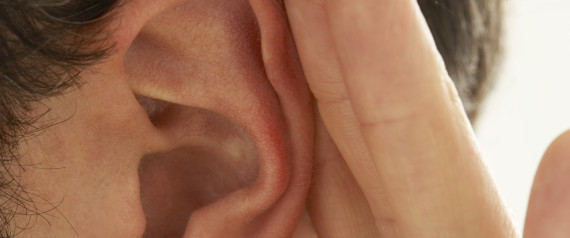
Obesity Linked With Hearing Loss

Obesity is associated with a higher risk for hearing loss, according to a new study in the American Journal of Medicine.

 On the other hand, greater levels of physical activity are associated with a lower risk for hearing loss, found researchers from Brigham and Women’s Hospital.

“We often think of hearing loss as an inevitable part of the aging process, but these findings provide evidence that potentially modifiable risk factors, such as maintaining a healthy weight and staying physically active, may help in the prevention of hearing loss or delay its progression,” study researcher Sharon Curhan, M.D., Sc.M., of the Channing Division of Network Medicine at Brigham and Women’s Hospital, said in a statement.

More than 68,000 women who were part of the Nurses’ Health Study II were included in the study; their physical activity, body mass index, waist circumference and hearing loss were tracked from 1989 and 2009.

Researchers found associations between higher body mass index and waist circumference and hearing loss. Specifically, women who had a body mass index of 30 to 34 (indicative of obesity) had a 17 percent higher risk of hearing loss, compared with women who had a BMI lower than 25 (normal weight is indicated by a BMI of 18.5 to 24.9, while overweight is indicated by a BMI of 25 to 29.9). And people with a BMI of 40 or greater had a 25 percent higher risk of hearing loss.

Women with a waist circumference of 80 to 88 centimeters had an 11 percent higher risk of hearing loss compared with women with a waist circumference less than 71 centimeters. And women with a waist circumference greater than 88 centimeters had a 27 percent higher risk of hearing loss.

Meanwhile, exercise seemed to decrease risk for hearing loss. Women who were the most physically active in the study had a 17 percent lower risk of hearing loss than women who were the least physically active. And it didn’t even have to be especially strenuous activity: Researchers found that walking just two hours or more a week lowered hearing loss risk 15 percent more than walking less than an hour a week.

While the study only showed an association between hearing loss and obesity, this isn’t the first time the two have been linked. A study published earlier this year in the journal The Laryngoscope showed that obese teens have a nearly doubled risk of one-sided low-frequency hearing loss, compared to their peers of normal weight. The researchers of that study speculated that a potential reason for this association is inflammation from obesity; other potential reasons include Type 2 diabetes or heart disease from obesity, which could then lead to hearing loss.

Source: Huffington post


Caraway Seed Health Benefits

Botanically called Carum carvi, caraway is a biennial plant, which belongs to the family Apiaceae. Some of the health benefits of caraway seeds are listed as under:

Caraway seeds lowers the concentration of LDL cholesterol, by preventing its re-absorption in the colon. As such, caraway seeds help in preventing a variety of cardiovascular diseases like heart attack and artery congestion.

Caraway seeds also help relieve the symptoms of bronchitis.

  • It is a rich source of anti-oxidant compounds including carotene, lutein, zeaxanthin and cryptoxanthin
  • These compounds negate the effect of free radicals produced as a result of biochemical reactions, thereby preventing the formation and proliferation of cancer cells.
  • On account of its detoxifying properties, it also helps in lowering the pace of aging. It helps in reducing the signs of aging like fine lines, patches on skin, dark spots and wrinkles.
  • They help boost immunity. It prevents the exhaustion of T-cells, which in turn prevents the strain on the immune system, thereby strengthening it and preventing against infections and diseases.
  • Help in improving the texture of the skin on account of its rich Vitamin E content.
  • They have a strong and pungent odor. As such, the seeds may be chewed to get rid of the bad breath as well as the insipid or bland taste in the mouth.
  • Also serves as a tonic for pregnant women.

They are a potent emmenagogue. The seeds regulate the menstrual cycle and regularize your periods. They also help reduce pre-menstrual syndrome (PMS) like pain in lower abdomen, bloating and water retention in the body, nausea, and loss of appetite, among others.

Enhances eyesight and also improves skin and hair texture.

Prevent impotency in males by stimulating sperm production.

They are a potent carminative, which help clear up cough and phlegm from the respiratory tract and relieves congestion.

They have proven effective for lactating mothers by promoting milk secretion. Lactating women may consume caraway seeds in honey to enhance milk production for the health of the baby.

Promote the activity of glands, thereby maintaining the overall physiology of the body.

Regulate the function of kidneys, cleaning the body waste materials and toxins.

Its seed extract may also be used in the treatment of scabies.

It may also be deployed to cure ear infections and pain.

The seeds are a potent antiseptic agent, which prevents and cure infections.

It is also effective in the treatment of arthritis, rheumatism and inflammation of joints.

They may also be used to cure severe headache and migraine.

Usage of caraway seeds is an effective remedy to cure toothache and other oral afflictions.

Caraway seeds may be used as a flavoring agent in the kitchen. It may be used in sausages as well as meat preparations.

Digestive Health:

Caraway seeds are widely used to cure various digestive disorders including irritable bowel syndrome. It promotes digestion and thereby prevents indigestion and other causes of stomach afflictions. It adds bulk to the food on account of its rich dietary fiber content, which regulates bowel movement and prevents constipation. Caraway seeds may also be used as antihelmintic to remove helminthes like hook worms from the intestinal tract. It also eases dyspepsia and hysteria. Caraway seeds may also be used as appetizers.

It may be used to make caraway tea to cure gas and flatulence. It also helps prevent colic disorders.

Information & Facts:

Some of the basic information & facts about caraway seeds are as follows:

Caraway is also called Persian cumin and meridian fennel, and is a native of Asia, North Africa and Europe. The plant is cultivated annually in colder regions, while it is cultivated as a biennial plant in temperate regions. The plant grows well in warm and well-drained soil.

The caraway plant grows up to a height of 50-60 cms and bears thread-like, finely divided and feathery leaves.

They are actually fruits, which are crescent-shaped, bearing ridges. Caraway seeds (fruits) bear five ridges per seed; ridges are pale in color and texture.

It contains volatile oil, which contains chemical substances like limonene, carvone, pinen, carveol, thujone, furfurol and cumuninic aldehyde.

Some of the vital minerals present in them are iron, calcium, copper, manganese, potassium, zinc, selenium and magnesium.

Its seeds are a rich source of certain vitamins including Vitamin A, Vitamin B-complex, Vitamin C and Vitamin E.

It has a warm and peppery aroma and as such, it is widely used in culinary preparations, especially Mediterranean and European cooking.

It may be used as infusion, poultice and tincture.

Some of the caraway seed supplements are anise, fennel and cumin.

Side Effects Of Caraway Seeds

There is no scientific evidence on the side-effects of caraway seeds, and they are generally known to have positive effects on health. However, high dose of caraway seeds may lead to kidney and liver afflictions, attributed to the content of volatile oils.

Source: diet health club


Garlic may help protect babies from pathogens in baby formula

A new study has revealed that garlic is good for your baby, as two compounds derived from garlic may help kill contaminants in baby formula.

The study from the University of British Columbia has found that the compounds, diallyl sulfide and ajoene, can significantly reduce the contamination risk of Cronobacter sakazakii in the production of dry infant formula powder.

“A trace dose of these two compounds is extremely effective in killing C. sakazakii in the food manufacturing process. They have the potential to eliminate the pathogen before it ever reaches the consumer,” corresponding author Xiaonan Lu from the Faculty of Land and Food Systems, said.

C. sakazakii is a food borne pathogen that is sometimes present in dry infant formula powder and other fortified foods. C. sakazakii infection is rare, but often fatal for infants. It can poison a baby’s bloodstream and lead to life-threatening cases of meningitis.

According to Lu, the garlic compounds could be used to prevent C. sakazakii contamination on food contact surfaces and in every step of food production- from processing, packaging and delivery.

Lu said that pipes used in the manufacturing of milk products are typically cleaned with chemicals like chlorine, but these garlic compounds are a natural alternative.

The study is published in Applied and Environmental Microbiology

Source: ANI


Plant Nutrient ‘Cocktail’ Kills Breast Cancer Cells

A new study finds a cocktail of compounds found naturally in plants killed all of the breast cancer cells collected in a laboratory, without any toxic side effects on normal cells.

Researchers at Louisiana State University tested six known protective chemical nutrients from turmeric, soybeans, broccoli, grapes and tea. Individually, they were ineffective against cancer.

But combined, they suppressed breast cancer cell growth in the lab by more than 80 percent, and eventually triggered the process leading to cell death.

The next step for the scientists is to see whether the compounds can prevent tumor formation and growth in mice.

Dr. Madhwa Raj, who led the study published in the Journal of Cancer, points out that all the ingredients in the cocktail come from foods people eat every day, but at much higher levels than they could possibly get from their diet.

Because he “really believes it can help women now,” he has established a bio-tech start-up company to bring the super-cocktail to market as a nutritional supplement for breast health, which does not require approval from the Food and Drug Administration.

Source: Voice of America


4 birth defects that could affect your oral health

It is likely that you have seen kids with a cleft in the lip sometimes continuing into the palate (or roof of your mouth) or tooth/teeth missing from birth. Well, these are what are called congenital anomalies or birth defects. In this post, we see how such defects often lead to oral health problems. Treatment in such cases is complex and involves multiple specialities in dentistry.

Congenital defect #1: Cleft lip and/or palate

Cleft lip and/or palate are the most common birth defects of the mouth. Cleft lip occurs when the two structures or processes that make up the lip do not fuse completely before birth. When the two developmental plates of the skull that form the roof of the mouth (hard palate) fail to join completely cleft palate is formed. Clefts lead to a gap or opening in the lip and palate. In cleft palate there is a direct connection between the mouth and the nose.

What problems can this cause?

Cleft lip and cleft palate can cause problems with sucking, swallowing, speech and socialization.

There could be a risk of aspiration (food going from the mouth to the nose and/or respiratory tract).

Teeth may be missing, deformed or displaced. This could cause adjoining teeth to move into the space causing improper bite, irregular gaps between teeth and difficulty in chewing etc.

Soft tissue folds and irregularities in the palate or roof of the mouth can increase the risk of gum disease.


Congenital defect #2: Congenital absence of teeth or anodontia.

This is a condition is which some or all of the teeth are missing by birth.

What problems can this cause?

Partially missing teeth can create huge gaps into which opposite and adjacent teeth move. This causes improper bite which can lead to excessive teeth wear, injury to the supporting structures (periodontium) of the teeth and loss of bone around the teeth. Misaligned teeth can also make it harder to clean them thereby causing decay and gum disease.

Congenital defect #3: Tongue tie or Ankyloglossia.

Here the tongue is literally ‘stuck’ or ‘tied’ to the floor of the mouth.

What problems can this cause?

Ankyloglossia can cause swallowing and speech difficulty.It may also make maintaining oral hygiene difficult giving rise to gum disease, cavities etc.

Congenital defect #4: Congenital enamel hypoplasia or Amelogenesis Imperfecta

Amelogenesis imperfecta is a genetic disorder in which there is underdevelopment of tooth enamel causing it to be unusually thin, discoloured, pitted and fragile. Rarely, it may be associated with abnormally enlarged gums which make oral hygiene difficult.

What problems can this cause?

This condition causes teeth to be prone to rapid wear and breakage. Thin enamel increases the sensitivity of the teeth to temperature changes. There is increased risk for teeth decay. When associated with gum enlargement, it can cause bad breath as well as discomfort when chewing or talking.

Source: News India


How to beat obesity, lifestyle diseases, by experts

EXPERTS have recommended lifestyle modifications and regular exercise as means to overcome the challenge of obesity and various complications that go along with it.

The various experts, who spoke in Lagos recently at walk against obesity exercise organized by Divine Physician and St. Luke Chaplaincy in partnership with Managed Healthcare Services (MHS) Limited, a health maintenance organization (HMO), said obesity was becoming a rampant condition among Nigerians.

Lagos University Teaching Hospital (LUTH)/College of Medicine Lagos University Teaching (CMUL) consultant endocrinologist, Dr. Sandra Iwuala, who spoke at the event, attributed the health condition to lifestyle changes which resulted from urbanization, sedentary lifestyles, dietary changes among other factors.

Iwuala warned that if not quickly handled that obesity could lead to several health risks like diabetes, hypertension, arthritis, cataract among others.

Highpoint of the event was articulated walk engaged by hundreds of children, women and men from Idi-Araba to Masha-Kilo back to Idi-Araba- a distance of several kilometers.

Managing Director of Managed Healthcare Services (MHS) Limited, Dr. Patrick Korie explained that the walk was necessary to avoid and raise awareness about obesity, a condition, which he said, is becoming prevalent among Nigerians.

The public health expert advised Nigerians to exercise at least 30 minutes three times a week to beat obesity, adding that his organization was concerned about the wellbeing of Nigerians.

Head Chaplain, LUTH-based Divine Physician and St. Luke Chaplaincy, Rev.Fr. Kwame Owiredu said the awareness was Christ-like way of looking after the physical wellbeing of people in general.

Iwuala said, “Obesity is the excessive accumulation of body fat to the extent that it may cause harmful effect to the person or affect the person’s health negatively. We usually define obesity as a body mass index (BMI) of 30 kilogram per metre square or more.

“We get that by measuring the weight of a person in kilogram and divide it by square of the height. For instance, if somebody measures 70kg and the height is 1.6, to get the BMI, we say 70 divided by 1.6 times 1.6 to get the BMI. A BMI above 30 is obesity; a BMI between 25 and 29.9 is overweight. It is not just enough to say I am not obese; my BMI is not yet 30. If your BMI is still in the overweight category, you still are still at risk of having some of the complications that obesity can bring.

“Obesity has lots of health implications. Fat is something not quiet but active; secrets hormones and doing lots of things to the body. It causes a wide range of disorders to the body, starting from the head to the toe. It can increase risk of cataract, diabetes, hypertension, stroke, asthma, sleep apnea, joint problems like osteoarthritis among others.

“Obesity is rampant because of lifestyle changes, dietary changes, urbanization so that people no longer exercise anymore; everyone wants to take bike or board a bus from point A to point B, instead of walking. Every day, we see more and more people coming down with these disorders, and obesity is one of the contributing factors. We find people whose mothers, for instance, developed diabetes at age 50 developing diabetes at 20 because of the wrong lifestyle they are living compared to the one their parents lived. We are having younger people, even at age 10, coming down with various complications of obesity.”

She urged Nigerians to check their BMI regular and live healthy lifestyles. “As individuals, we should know the category (of weight) we belong to. Check your BMI today. If your BMI is in the normal category of 18.5 to 24.9, you have to do everything to maintain it,” she said.

Source: The Guardian


Warning labels on cigarette packets could stop millions from smoking

Researchers suggest that the US would have several million fewer smokers if graphic warning labels similar to those introduced in Canada nearly a decade ago were imposed on cigarette packs.

The Canadian labels led to a 2.9 to 4.7 percentage point drop in smoking rates — which would mean 5.3 to 8.6 million fewer smokers in the U.S. if the same result were obtained, according to researchers at the University of Illinois at Chicago and the University of Waterloo.

The researchers used statistical methods to compare smoking rates in the U.S. and Canada for a nine-year period before and after the graphic warning labels were introduced in Canada. The price of cigarettes was factored into the analyses.

The study found the “regulatory impact analysis” used by the U.S. Food and Drug Administration to gauge the effectiveness of Canada’s graphic warning labels to be inaccurate.

The FDA had estimated only a 0.088 percentage point reduction in smoking rates after graphic warning labels were mandated in Canada.

Jidong Huang, research specialist at UIC’s Institute for Health Research and Policy and lead author of the new study, said when he and his collaborators corrected the FDA’s methodological flaws and took into account the purchase prices paid by smokers, they found that graphic warning labels reduce cigarette-smoking prevalence at much higher rates.

Graphic warning labels on cigarette packages have been implemented in more than 40 countries, but not in the US.

In 2009, the Family Smoking Prevention and Tobacco Control Act gave the FDA authority to regulate the manufacture, distribution and marketing of tobacco products, including requiring prominent warning labels for cigarettes and smokeless tobacco products.

However, the tobacco industry challenged the FDA’s requirement for graphic warning labels, and a US Court of Appeals ruled that the federal agency lacked evidence that graphic warning images would reduce the number of Americans who smoke.

Studies had shown that such labels increase knowledge of the harmful effects of tobacco products, motivate smokers to attempt quitting, and decrease relapse rates among smokers who have quit, but not whether they reduce overall smoking rates.

The UIC and University of Waterloo researchers hope the new study will provide support for a revised FDA proposal to require graphic warnings.

The findings are published online in the journal Tobacco Control.

Source: DNA India


White Tea Facts and health benefits

Many people who want to lose weight and improve their overall health in general have been turning to tea to help them be healthier and prevent many different types of diseases. The health benefits of tea have been proven time and time again, and people have used it for centuries to help them live longer and stay healthy.

There are many different types of tea, from white tea to black tea to green tea. One of the rarest types of tea is white tea, which is found only in China and is actually harvested from the same plants that green and black tea come from as well.

White tea is harvested from the leaves before the buds have completely blossomed; this makes it so the tea is as close to its natural state as possible and goes through less processing than other types of tea. Where black and green tea have both been cured and oxidized, white tea has not.

White tea provides the body and the mind with a number of benefits, many of which are more powerful than green or black teas. Some of the facts about white tea, especially in relation to green and black teas, are:

• Higher anti viral properties. White tea provides more antiviral properties than both green tea and black tea, as a result of its minimal processing.

• More amino acids. Because it is harvested from buds and leaves that are much younger than when black and green tea are harvested, it also has more amino acids.

• More antibacterial abilities. White tea also contains a stronger concentration of antibacterial qualities than do green or black tea. High levels of catechin and gallic acid are also beneficial to the body.

• Higher antioxidant capabilities. Most teas contain antioxidants that are good at cleansing the body of toxins that accumulate throughout the years as a result of pollutants in the air, undigested particles of food, and waste build up. The high levels of antioxidants found in white tea are better at flushing out these toxins, leaving you healthier and more energized.

• Greater cancer fighting abilities. Certain types of teas have been shown to help fight harmful cancer cells and build up cancer-fighting cells within the body. White tea contains the most properties of the various types of tea to help ward off certain types of cancer.

• Greater effect on stress levels. The higher levels of amino acids found in white tea have a better effect on stress levels than black and green teas as well. These acids contain more properties that enhance the mood and lower the stress levels.

Because it is rare, white tea is frequently more expensive than black, green, and other types of tea. However, the health benefits you will receive from drinking white tea are worth it!

One way to get enough white tea is to try White Tea with Acai, which combines the power of white tea with the super fruit Acai berry to give you even more powerful health benefits.

Source: Healthy lifestyle