13 Evidence-Based Medicinal Properties of Coconut Oil


Fat-burning: Ironic, isn’t it? A saturated fat which can accelerate the loss of midsection fat (the most dangerous kind). Well, there are now two solid, human studies showing just two tablespoons a day (30 ml), in both men and women, is capable of reducing belly fat within 1-3 months.

Brain-Boosting: A now famous study, published in 2006 in the journal Neurobiology of Aging, showed that the administration of medium chain triglycerides (most plentifully found in coconut oil) in 20 subjects with Alzheimer’s disease or mild cognitive impairment, resulted in significant increases in ketone bodies (within only 90 minutes after treatment) associated with measurable cognitive improvement in those with less severe cognitive dysfunction.

Clearing Head Lice: When combined with anise spray, coconut oil was found to be superior to the insecticide permethrin (.43%).

Healing Wounds: Coconut has been used for wound healing since time immemorial. Three of the identified mechanisms behind these healing effects are its ability to accelerate re-epithelialization, improve antioxidant enzyme activity, and stimulate higher collagen cross-linking within the tissue being repaired.

Coconut oil has even been shown to work synergistically with traditional treatments, such as silver sulphadizine, to speed burn wound recovery.

NSAID Alternative: Coconut oil has been demonstrated to have anti-inflammatory, analgesic and fever-reducing properties.

Anti-Ulcer Activity: Interestingly, coconut milk (which includes coconut oil components), has been shown to be as effective as the conventional drug sucralfate as an NSAID-associated anti-ulcer agent.

Anti-Fungal: In 2004, 52 isolates of Candida species were exposed to coconut oil. The most notorious form, Candida albicans, was found to have the highest susceptibility. Researchers remarked: “Coconut oil should be used in the treatment of fungal infections in view of emerging drug-resistant Candida species.”

Testosterone-Booster: Coconut oil was found to reduce oxidative stress in the testes of rats, resulting in significantly higher levels of testosterone.

Reducing Swollen Prostate: Coconut oil has been found to reduce testosterone-induced benign prostate growth in rats.

Improving Blood Lipids: Coconut oil consistently improves the LDL:HDL ratio in the blood of those who consume it. Given this effect, coconut oil can nolonger be dismissed for being ‘that saturated fat which clogs the arteries.’

Fat-Soluble Nutrient Absorption: Coconut oil was recently found to be superior to safflower oil in enhancing tomato carotenoid absorption.

Bone Health: Coconut oil has been shown to reduce oxidative stress within the bone, which may prevent structural damage in osteoporotic bone

Source: Real farmacy


Black Seed – ‘The Remedy For Everything But Death’


This humble, but immensely powerful seed, kills MRSA, heals the chemical weapon poisoned body, stimulates regeneration of the dying beta cells within the diabetic’s pancreas, and yet too few even know it exists.

The seeds of the annual flowering plant, Nigella Sativa, have been prized for their healing properties since time immemorial. While frequently referred to among English-speaking cultures as Roman coriander, black sesame, black cumin, black caraway and onion seed, it is known today primarily as black seed, which is at the very least an accurate description of its physical appearance.

The earliest record of its cultivation and use come from ancient Egypt. Black seed oil, in fact, was found in Egyptian pharoah Tutankhamun’s tomb, dating back to approximately 3,300 years ago.[i] In Arabic cultures, black cumin is known as Habbatul barakah, meaning the “seed of blessing.” It is also believed that the Islamic prophet Mohammed said of it that it is “a remedy for all diseases except death.”

Many of black cumin’s traditionally ascribed health benefits have been thoroughly confirmed in the biomedical literature. In fact, since 1964, there have been 458 published, peer-reviewed studies referencing it.

We have indexed salient research, available to view on our Black Seed (Nigella Sativa) page, on well over 40 health conditions that may be benefited from the use of the herb, including over 20 distinct pharmacological actions it expresses, such as: – Analgesic (Pain-Killing)

– Anti-Bacterial

– Anti-Inflammatory

– Anti-Ulcer

– Anti-Cholinergic

– Anti-Fungal

– Ant-Hypertensive

– Antioxidant

– Antispasmodic

– Antiviral

– Bronchodilator

– Gluconeogenesis Inhibitor (Anti-Diabetic)

– Hepatoprotective (Liver Protecting)

– Hypotensive

– Insulin Sensitizing

– Interferon Inducer

– Leukotriene Antagonist

– Renoprotective (Kidney Protecting)

– Tumor Necrosis Factor Alpha Inhibitor

These 22 pharmacological actions are only a subset of a far wider number of beneficial properties intrinsic to the black seed. While it is remarkable that this seed has the ability to positively modulate so many different biological pathways, this is actually a rather common occurrence among traditional plant medicines.

Black seed has been researched for very specific health conditions. Some of the most compelling applications include:

Type 2 Diabetes:

Two grams of black seed a day resulted in reduced fasting glucose, decreased insulin resistance, increased beta-cell function, and reduced glycosylated hemoglobin (HbA1c) in human subjects.

Helicobacter Pylori Infection:

Black seeds possess clinically useful anti-H. pylori activity, comparable to triple eradication therapy.

Epilepsy:

Black seeds were traditionally known to have anticonvulsive properties. A 2007 study with epileptic children, whose condition was refractory to conventional drug treatment, found that a water extract significantly reduced seizure activity.

Source; Healthy life


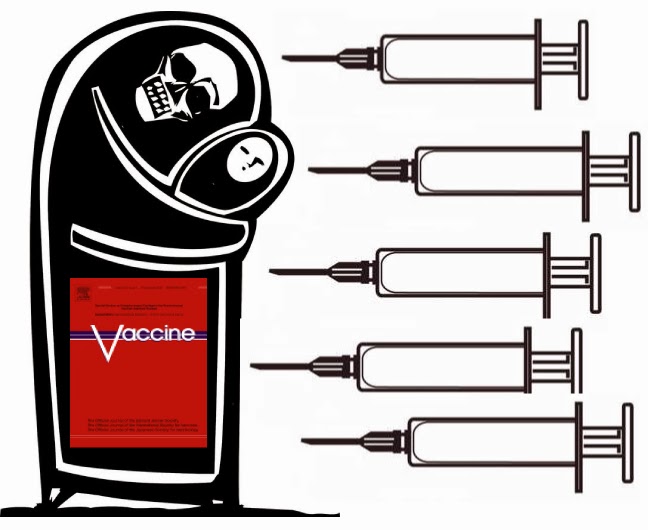
Multiple vaccines associated with increased infant mortality

As pentavalent vaccine has already created widespread controversy with reports linking increased morbidity and mortality to multiple vaccines in low-income countries, including Bhutan, Sri Lanka, Vietnam and India, a new study published in the journal Vaccine has diametrically opposed to the extensively held conviction that more vaccines administered to infants the better.

The new observational study titled, ‘Co-administration of live measles and yellow fever vaccines and inactivated pentavalent vaccines is associated with increased mortality compared with measles and yellow fever vaccines only’ is a result of randomized, placebo-controlled clinical trial conducted during 2007-2011 in the West African country Guinea-Bissau. The study has questioned the belief that vaccination is always a life-saving intervention.

Sayer Ji, “My personal belief about the expanding vaccination schedule, as well as increasing the number of vaccine antigens per vaccine, is we are engaging in unprecedented mass experimentation on our children, as there are simply far too many variables to control and understand now in order to make the determination that they are effective, much less safe. It is likely — and research bears this out — that the ultimate result of employing so vaccines, along with the known dangers of excipients and adjuvants, is increased morbidity and mortality in exposed populations.”

As the finding hold importance when one considers that pentavalent vaccines, with the efforts of the Global Alliance for Vaccines and Immunisation (GAVI), aims to reach millions of children in several developing countries, he said, “Global vaccination campaigns are based upon a fundamental error in thinking. You can’t vaccinate away undernourishment, poor living conditions, or lack of water sanitation. Let these charitable programmes and the wealthy nations and corporations put their money where their mouths are and provide ‘first world’ solutions for third world problems.”

“India stands today as the mother to one of the most advanced, while also ancient, medical systems in the world, Ayurveda, and must consider the implications of casting its inheritance to the wind in favour of strictly Western medical interventions, many of which are being aggressively championed for reasons that are as much political and economic as they are humanitarian in nature,” he said.

“The primary suggestion I would give is to not ignore the significant body of peer-reviewed research that now exists showing the unintended, adverse health effects of vaccination which may in some cases far outweigh their purported benefit. Also, these are not strictly academic matters but the lives of our children and future generations are on the line,” Sayer Ji opined.

In the light of the study, Dr Jacob Puliyel, head of paediatrics at St Stephen’s Hospital, New Delhi, told , “I do not think international agencies will do anything till we highlight every death as unacceptable.”

Source; Green med info


15 Cholesterol myths busted


Myth #1: High cholesterol is only a concern for men- not women.

Women have estrogen on their side to help keep cholesterol levels within the normal range. However, after menopause this advantage is gone. Men over 45 and women over 55 are at higher risk for elevated cholesterol.

Myth #2: High cholesterol is genetic and there is nothing you can do about it.

While genetics definitely play a role, diet and lifestyle choices have a significant impact on cholesterol levels. Having a family history of high cholesterol means you need to take preventive steps and be more proactive to keep your levels within normal.

Myth #3: Cholesterol can only be successfully lowered with medication

When you learn you have high cholesterol it’s important to investigate the cause. Frequently if you correct the cause your cholesterol levels will return to normal. Possible causes of high cholesterol may include poor diet, lack of activity, infection, mental stress, and physical stress (such as surgery).

Myth #4: Taking cholesterol lowering medication means I do not have to change my diet or be more active.

Cholesterol medications can help lower cholesterol levels only so far. By making heart healthy diet and lifestyle choices you’ll increase the effectiveness of your medication.

Myth #5: Food is heart-healthy if it says “0 mg cholesterol”

The Cholesterol portion of the nutritional label refers to dietary cholesterol, which is only one of the things found in food that can cause your cholesterol to go sky-high. Saturated fat (found in animal foods and dairy products) and trans fats (found in packaged foods) appear to have a far greater impact on low-density lipoprotein (LDL), the so-called bad cholesterol that causes atherosclerosis, than dietary cholesterol.

Myth #6: Kids can’t have high cholesterol

Research has shown that atherosclerosis—the narrowing of the arteries that leads to heart attacks—can start as early as age eight. The American Academy of Paediatrics guidelines on kids and cholesterol recommended that children who are overweight, have hypertension, or have a family history of heart disease have their cholesterol tested as young as two. Children with high cholesterol should be on a diet that restricts saturated fat and dietary cholesterol, and exercise more are also recommended.

Myth #7: Food is heart-healthy if it says “0 mg cholesterol”

The Cholesterol portion of the nutritional label refers to dietary cholesterol, which is only one of the things found in food that can cause your cholesterol to go sky-high. Saturated fat (found in animal foods and dairy products) and trans fats (found in packaged foods) appear to have a far greater impact on low-density lipoprotein (LDL), the so-called bad cholesterol that causes atherosclerosis, than dietary cholesterol.

Myth #8: Cholesterol is always a bad thing

When most people hear “cholesterol” they think “bad.” The reality is more complex. High cholesterol can be dangerous, but cholesterol itself is essential to various bodily processes, from insulating nerve cells in the brain to providing structure for cell membranes. The role of cholesterol in heart disease is often misunderstood. Cholesterol is carried through the bloodstream by low-density and high-density lipoproteins (LDL and HDL). LDL, known as bad cholesterol, and not the cholesterol it carries per se, is responsible for atherosclerosis.

Myth #9: Low cholesterol is always a sign of good health.

Although low levels of LDL cholesterol are usually healthy, a new study reports that people who develop cancer typically have lower LDL in the years prior to diagnosis than those who don’t get cancer. People with low blood cholesterol are also prone to various infections, suffer from them longer and are more likely to die from an infection.

Myth # 10: There are no visible symptoms of high cholesterol.

Some people with high cholesterol develop yellowish-red bumps called xanthomas that can occur on the eyelids, joints, hands, or other parts of the body. People with diabetes or an inherited condition called familial hypercholesterolemia are more likely to have xanthomas.

The best way to tell if your cholesterol is too high is to have it checked every three years, starting at age 20, or more often, if advised by your healthcare provider.

Myth # 11: It’s okay to stop taking your cholesterol medication once you get your numbers down.

If you stop taking your cholesterol medication, your bad LDL cholesterol might bounce back to where it was when you started. When your cholesterol goes back up, so does your risk of heart attack and stroke. While there’s no “cure” for high cholesterol, it can be managed successfully. Managing cholesterol successfully takes a lifelong commitment to your health—including taking your medication every day.

Myth # 12: High cholesterol isn’t a problem for thin people.

Thin, overweight, or in-between, everyone should have their cholesterol checked regularly. While overweight people tend to have high cholesterol from eating too much fatty food, those who don’t gain weight easily need to be aware of how much saturated fat they eat.

Myth # 13: Switching from butter to margarine will help lower my cholesterol.

Margarine, like butter, is high in fat—and all fatty foods should be eaten in moderation if you have high cholesterol. Most margarine contains saturated fat, a major food factor in high cholesterol. The recommended choice is a liquid vegetable oil that doesn’t contain any trans fat (hydrogenated vegetable oil).

Myth # 14: There’s no need to have your cholesterol checked until you’re middle-aged.

Even children—especially those with a family history of heart disease—can have high cholesterol levels. Getting cholesterol levels checked at an early age is a good idea.

Myth # 15: All your cholesterol comes from food.

Most of the cholesterol inside you doesn’t come from the food you eat, but from your body’s natural processes.


Source: healthy eating


5 Teas that make you slim!


The brew that energises can also help you lose weight. Here’s how…

It’s widely known that just one cup of tea can prevent strokes, arthritis, tooth decay and even keep cancer at bay. While it’s regarded as nature’s tranquiliser for its soothing properties, the brew also has another great benefit – it helps shed weight. Scientists have shown that tea has high levels of compounds that battle the absorption of fat.

5 teas that can result in a slimmer you…

Star anise tea: promotes digestion
Star anise, the fruit of a small evergreen tree (Illicium verum) native to China, can be used in the treatment of digestive troubles such an upset stomach, diarrhea, nausea etc. One may drink a tea made from it by steeping a whole pod in one cup of hot water for 10 minutes. Strain this and sweeten it if required. Sip on this slowly when an upset stomach occurs.

Peppermint tea: controls what you eat
If you like peppermint tea then try and rotate that with a green tea drink as both speed up digestion and thus help you burn more calories. The peppermint leaves can be used to make a light, refreshing tea, which can be drunk either hot or chilled. To prepare the tea, take a tablespoon of fresh or dried leaves and add them to boiling water and let it steep for four to five minutes. Strain and add honey, if needed.

Green tea: builds metabolism
Research says the chemical EGCG found in green tea that speeds up the body’s metabolism, is responsible for helping people lose the kilos – it can burn a whopping 70 calories a day! Green tea also raises the level of antioxidants. It’s believed the antioxidant catechins in green tea boost metabolism and helps burn fat (can burn a whopping 70 calories a day!) Steeping time for the tea: two to three minutes at 85 Degrees Celsius.

Rose tea: prevents constipation
One of the oldest flavouring teas available, rose tea – made by mixing fresh roses and the bud of the tea – has a major therapeutic effect on the human body. Apart from clearing toxins and beautifying the skin, rose tea contains vitamins A, B3, C, D and E and is known to act against infections. It also prevents constipation and helps one lose weight.

Oolong tea: guards against obesity
Research reveals that oolong, a semi-fermented tea may have a stronger effect than even green tea. It promotes fat burning is said to help reduce cholesterol and the concentration of fat in the body. About two cups per day is recommended. Steep oolong tea anywhere from 30 seconds to five minutes, for a more full-bodied cup.

Source: Before it’s news


What Are the Health Benefits of Climbing Stairs?


Aerobic workouts that feature stair climbing offer a variety of benefits to your overall health. The vigorous and continuous movement of your legs and hips results in deeper breathing and increases your heartbeat, which enhances blood flow to all areas of your body. Your body releases natural pain relievers, or endorphins, during a stair climb, so you’ll feel better and have less tension. Doctors also recommend stair climbing as an ideal way to improve your energy, increase the function of your immune system and lower your risk for diabetes, high blood pressure, osteoporosis and heart disease.
Weight and Increased Challenge
Harvard Medical School reports that stair climbing is an effective way to lose weight and keep it off, since people who walk up stairs, even at a slower pace, burn calories three times faster than when walking at a faster speed on a normal surface. A workout on the stairs also provides maximum challenge for people who already maintain good fitness, including football players and other athletes, since the activity is estimated to be twice as vigorous as lifting weights or walking on a steep incline.

How Much You’ll Need
Fitness experts usually recommend between 30 and 60 minutes of aerobic activity like stair climbing on three to five days every week in order to gain the most health benefits. Start at a slow pace and aim to walk only a few flights until your body feels ready for an increased challenge. Protect your feet during stair workouts by wearing shoes with a firm heel, thick soles and sufficient arch support and aim to spend at least five minutes walking normally at a slow pace to warm your muscles. Consider alternating your stair climbing with aerobic methods like bike riding or swimming in order to prevent muscle overuse and limit joint strain.

Not for Everyone
While stair climbing offers a variety of health benefits, the vigorous activity may be unsafe for people with heart conditions, as well as for those with knee, hip or ankle problems. Discuss stair climbing with your doctor in advance of any activity and lower your risk for injury by using the railing for balance. Use extreme caution when traveling downward, as your knees and ankles are subjected to stress that equals at least six times your normal body weight, according to the New York Times.com.
Sponsored Links

Source: healthy living


7 Foods that make you stink

Blamed on everything from genes, to cheap perfume, even occupation, or the type of food you ate, body odour can be crowned as the single biggest turning off factor in social interactions.

Some experts might blame it on the excessive use of deodorants and some might blame it on the biological composition of your body, but many unanimously agree that some specific types of food items can lead to body odour. Zoom in on our list of top 7 foods that cause body odour and consume them in moderation if you are a regular victim of this disorder.

Spicy food
A spice overload can lead to excessive sulfur in your food intake, which will be eliminated through skin’s pores and breath. Ensure that you eat well-balanced meals that aren’t too heavy on garlic, onions or piping hot curries.

Red meat
Red meat requires maximum digestion effort for your body to process. Over-eating will lead to issues liker perspiration and unwanted sweat. While vegetarians might not have such issues with their limited food intake, fenugreek and other strong flavoured plants cause similar results.

Alcohol
Chocolate, soda, tea, coffee, alcohol – consuming any of these in excess causes body odour as when you drink them atleast 10% of it will be left unprocessed causing perspiration. Excessive alcohol, in particular, may cause body odour.

Junk foods
Excessive consumption of junk foods with next to no exercise routine, will lead to accumulation of fatty cells inside your body which is the chief reason behind sweating and BO. They lead to unwanted breath and body odour as the food takes longer than their healthier counterparts to get digested. Foods high in hydrogenated oil, sugar, flour, salt and so on are not good when consumed in excess.

Low carbs
A diet which does not contain carbs can lead to a greater release of sweat in the body and also excess of protein foods. This process leads to a release of chemical called ketones in your bloodstream which lead to unwanted smell.

Dairy products
Again, dairy products are rich in protein and high consumption of these food items will take longer for your stomach to digest them. Excess consumption of dairy products can lead to release of hydrogen sulfide and methyl mercaptan in the body which can easily trigger off a foul smell.

Tobacco
We all know it. When the smoke of cigarettes mingles with other sweat glands in the body it’ll lead to a release of a distinctive smell which leads to a specific ‘smoker’ smell that lingers on everything from clothing to hair.

Source: Times of India


CDC issues warning about painful virus from mosquitoes

A virus that causes pain so severe that patients lie groaning in bed for days has come to the Western Hemisphere and travelers should take precautions, the Centers for Disease Control and Prevention cautions.

Chikungunya virus has been confirmed in 10 people on the French side of St. Martin in the Caribbean, and it’s very likely to end up in the United States, CDC says. The virus is carried by the same mosquitoes that spread dengue virus — Aedes aegypti and Aedes albopictus, more commonly known as the Asian tiger mosquito. Both have been making inroads into the U.S.

“Microbes know no boundaries, and the appearance of chikungunya virus in the Western hemisphere represents another threat to health security,” CDC Director Dr. Tom Frieden said in a statement. “CDC experts have predicted and prepared for its arrival for several years and there are surveillance systems in place to help us track it.”

Chikungunya is not usually deadly, but it can cause a very bad headache, joint pain, rash and fever. Its name in the Makonde language, spoken in Tanzania and Mozambique in Africa, means “that which bends up,” because patients are often contorted with pain.

Chikungunya has been spreading out of Africa into the Indian Ocean region, Asia and Europe in recent years. So far, only 109 travelers have carried it into the U.S. and it hasn’t spread. But West Nile virus, also carried by mosquitoes, came to the U.S. in 1999 and is now established across North America.

A study last year predicted that it’s possible a single, infected person could start an outbreak of Chikungunya in New York once Asian tiger mosquitoes become more common in the city.

“CDC estimates that about 9 million U.S. residents travel to the Caribbean each year. Given that volume of travelers, chikungunya could occur more frequently in returning U.S. mainland travelers if the virus expands in the region,” the agency said in a statement.

“Infected travelers could then cause local transmission of the virus in the United States if mosquitoes bite infected people and then bite other people.”

Travelers to St. Martin should take extra care to protect themselves from mosquito bites, CDC says. They should use insect repellent, wear long sleeves and pants, and use air conditioning and screens on windows and doors to keep mosquitoes out.

“Travelers returning from the Caribbean who experience fever and joint pains as well as other symptoms of chikungunya (e.g., headache, muscle pains, or rash) should seek medical care, and health care providers should be on the alert for possible cases,” CDC says. And any patients should take care not to get bitten by more mosquitoes—which could carry the virus to other people.

There’s no vaccine and no specific treatment for chikungunya.

Source: Nbc news


Why more boomers are getting cataract surgery at a younger age


On the morning I got cataract surgery, my ophthalmologist joked it was his “young day,” since all his surgical patients were under 70.

I’m 43. I first noticed the haziness in my left eye about this time last year and thought it was a dirty contact. A few months later, I went to my doctor and got a huge shock.

My doctor appeared just as surprised – partly because of my age at the time, 42, and partly because I showed no sign of a cataract at an exam just six months earlier.

Only one percent of all cataract surgery patients are as young as me, according to Dr. David Chang, clinical spokesman for the American Academy of Ophthalmology. But many more people in their 40s probably have cataracts already forming in one or both eyes and just don’t know it yet.

A cataract is a clouding of the eye’s lens. It’s the most common cause of blindness in the world — and it’s also a normal part of aging. More than 3.3 million such surgeries are performed in the country each year, said Chang, who described it as “the most common operation performed anywhere on the body.” And a recent study by the Mayo Clinic indicates an increasing number of people are having cataract surgery — and are doing so at “younger” ages. The study, which examined cataract surgeries done from 2005 to 2011 in Minnesota’s Olmsted County, found that about 20 percent of those surgeries were in patients younger than 65.

By age 80, more than half of all Americans either have a cataract or have had cataract surgery, according to the National Institutes of Health’s National Eye Institute.

“When does it happen? Well, we could say it’s pretty common in our 50s, but there are plenty of people who have a full head of hair in their 70s. There are also a lot of people who get bald spots or start to see their hairlines recede in their 30s,” said Chang, chairman of the cataract guidelines committee for the AAO.

It took about a year from the time I first noticed hazy vision to when I finally scheduled my surgery. In between, I often felt my left eye was looking through a dirty, Vaseline-smudged window. Since it is most notable in bright light, the cataract was a nuisance when I played with my kids outdoors or drove them around on sunny days. While at the beach last summer, I felt like I was looking through a sand storm.

Shortly afterward, I had reached my annoyance threshold. That’s a similar trait doctors see among their “younger” patients, whose active lifestyles make them less willing to put up with a cataract’s inconvenience, said Dr. Rosa Braga-Mele, who chairs the cataract clinical committee of the American Society of Cataract and Refractive Surgery.

While the majority of cataract patients are in their 70s and 80s, Braga-Mele said she recently noticed an increase in patients between 50-65 – a range reflecting the heart of the baby boomer population, a generation living longer and less tolerant of any hurdle to their independence.

“Whereas my grandmother or even my mother might have waited until she was in her 80s because she didn’t really need her vision for what she was doing … the baby boomer population, the minute their vision starts to drop, says, ‘Well, this isn’t normal, I can’t do my job. There has to be a solution to help me function at the level I’m used to functioning at,” she said.

That was the case for Katie Roberts. At 37, she is far younger than any Boomer, but she understands why many of them would elect to have surgery as early as possible. The Morgan Hill, Calif., firefighter has had cataract surgery on both of her eyes; she was 32 when she had the first procedure.

Unlike my cataract — which had no physical cause or genetic disposition — the ones Roberts developed were a side effect from steroid medication she received in her 20s for an eye disease, pars planitis. When she first showed signs of a cataract, she initially thought she was experiencing a flare-up. Once she got the correct diagnosis, she ended up getting surgery about a month later.

“Because I have to drive a fire engine and drive at night, with lots of lights and everything going on, I got it done as soon as it was bothering me, just enough to where I was aware of it,” she said.

Dr. Bonnie An Henderson, a clinical professor of ophthalmology at Tufts University School of Medicine, hasn’t seen the average age of her patients dip, but she believes several factors may explain why more people are having surgery. One reason is the proliferation of cell phones, computers and tablets over recent years.

“Patients may detect even a small decrease in their visual function earlier than before,” Henderson said.

In addition, diagnostic tools are more sophisticated than they were a generation ago, making it easier for ophthalmologists to evaluate and diagnose cataract severity, she said.

All doctors agree there isn’t a specific time when surgery is needed to remove cataracts. One person may not find it a bother, while someone else with the same rate of progression may find it completely disruptive.

I clearly remember the advice my doctor gave me about when to give him the green light for surgery.

“There’s no magic number when you have to get it done,” he said. “It’s whenever you’re ready to cry ‘Uncle.’”

Source: Today health


Diabetes risk gene may be inherited from Neanderthals


A gene variant that increases the risk of diabetes in Latin Americans may have been inherited from Neanderthals, a new study has found.

The gene variant was detected in a large genome-wide association study (GWAS) of more than 8,000 Mexicans and other Latin Americans.

People who carry the higher risk version of the gene are 25 per cent more likely to have diabetes than those who do not, and people who inherited copies from both parents are 50 per cent more likely to have diabetes, researchers found.

The higher risk form of the gene – named SLC16A11 – has been found in up to half of people with recent Native American ancestry, including Latin Americans, ‘BBC News’ reported.

The variant is found in about 20 per cent of East Asians and is rare in populations from Europe and Africa.

The elevated frequency of this risk gene in Latin Americans could account for as much as 20 per cent of the populations’ increased prevalence of type 2 diabetes – the origins of which are not well understood.

“To date, genetic studies have largely used samples from people of European or Asian ancestry, which makes it possible to miss culprit genes that are altered at different frequencies in other populations,” said co-corresponding author Jose Florez, a Broad associate member, an associate professor of medicine at Harvard Medical School and an Assistant Physician in the Diabetes Unit and the Center for Human Genetic Research at the Massachusetts General Hospital.

“By expanding our search to include samples from Mexico and Latin America, we’ve found one of the strongest genetic risk factors discovered to date, which could illuminate new pathways to target with drugs and a deeper understanding of the disease,” Florez said.

In the study published in the journal Nature, researchers conducted genomic analyses, in collaboration with Svante Paabo of the Max Planck Institute for Evolutionary Anthropology, and discovered that the SLC16A11 sequence associated with risk of type 2 diabetes is found in a newly sequenced Neanderthal genome.

Source: Indian Express