

New insect repellent could mean bye-bye to DEET

Researchers said Wednesday they had discovered four natural mosquito repellents to succeed DEET, a compound whose origins go back to World War II.

DEET — the abbreviation for N,N-diethyl-meta-toluamide — was introduced by the US Army in 1946 after troops deployed in the Pacific theatre fell sick from malaria and other mosquito-borne diseases.
It remains the primary insect repellent in use today, but has many limitations. It has to be applied frequently and is expensive, which rules it out for combating disease in regions where malaria is endemic. It also dissolves types of plastic, synthetic fabrics and painted surfaces.

More worryingly, there is some evidence that flies and mosquitoes are developing resistance to it, and that the chemical disrupts an important enzyme in the mammalian nervous system called acetylcholinesterase.

In experiments that combined entomology and data-crunching computing, scientists at the University of California at Riverside uncovered four alternatives that may send DEET into retirement after 67 years.
“The candidates contain chemicals that do not dissolve plastic, are affordable and smell mildly like grapes, with three considered safe in human foods,” says their study published Wednesday in the journal Nature. “Our findings pave the way to discover new generations of repellents that will help fight deadly insect-borne diseases worldwide.”

The scientists’ first step was to understand how mosquitoes sense DEET and become repelled by it. For this, they turned to a cousin of the mosquito called the fruit fly, or Drosophila melanogaster, one of the most closely-studied lab creatures of all.

The answer, they found, lies in a receptor called Ir40a, found in nerve-system cells in a pit-like structure in the fruit fly’s antenna.

The next step was to look for an odor molecule that would fit and activate the receptor, rather like a key turns a lock. It also had to be a natural substance, found in fruits, plants or animals.
Screening exercise

The data pool proved to be a mini-ocean, comprising nearly half a million potential compounds. This was whittled down to nearly 200. Of these, 10 compounds seemed the most promising and were put to the test on fruit flies.

Of the 10, eight turned out to be good repellents on fruit flies. Four of them were then tested on mosquitoes, all of which worked.

The good news is that out of the four, three have already been approved as food flavours or fragrances by the US Food and Drug Administration (FDA).

Called methyl N,N-dimethyl anthranilate, ethyl anthranilate and butyl anthranilate, they can be applied to bed nets, clothes and curtains to ward off insects, say the scientists.

The secret behind the breakthrough was to locate the Ir40a receptor and develop an algorithm to screen potential chemicals, said Anandasankar Ray, an associate professor of entomology. Ir40a, according to the probe, is highly conserved; a scientific term meaning that it shows little signs of evolutionary change.

That, too, is good news. One of the problems for drug designers is when they face a moving target — a mutational shift in DNA that means the treatment becomes less effective. The receptor is also common across many flies and other insects that are a pest for humans and plants.

Our findings could lead to a new generation of cheap, affordable repellents that could protect humans, animals and, in the future, our crops,” said Ray.

Source: http://www.foxnews.com/health

Most antibiotics prescribed for sore throat unneeded

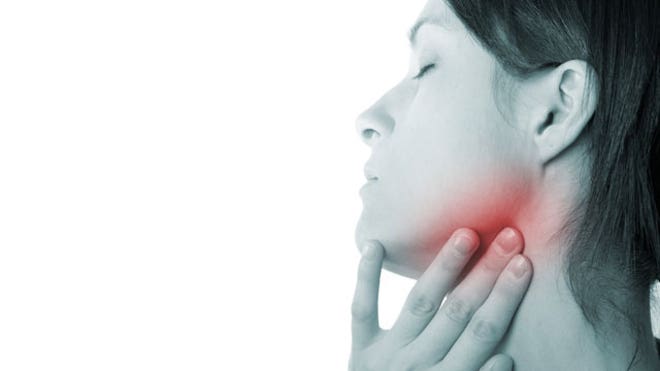
Most Americans with a sore throat are prescribed antibiotics even though just a fraction stand to benefit from them, a new study shows.

Researchers said only about 10 percent of adults with sore throats have strep throat, which is caused by bacteria that could be killed by antibiotics.

Almost all other sore throats are caused by viruses. In those cases, “an antibiotic is not going to help you and it has a very real chance of hurting you,” Dr. Jeffrey Linder, who worked on the study at Brigham and Women’s Hospital in Boston, said.

Although serious side effects are rare, he said antibiotics can cause diarrhea or yeast infections and interact with other medicines. Overuse of the drugs also makes bacteria resistant to them – which means future infections could be harder to treat.

For their study, Linder and his colleague Dr. Michael Barnett analyzed data on 8,200 U.S. primary care and emergency room visits for sore throats between 1997 and 2010.

They found doctors prescribed an antibiotic at 60 percent of those visits, with no change in that rate during the study period, according to findings published in JAMA Internal Medicine.

What did change is that a greater proportion of prescriptions were for new, expensive antibiotics in recent years – even though penicillin works just fine against strep throat, Linder told Reuters Health.

His team’s findings were presented Thursday at IDWeek 2013 in San Francisco.

The researchers noted that they didn’t have data on each patient’s diagnosis, so they couldn’t know exactly when antibiotics were appropriate.

Linder said ideally, doctors should use a few key symptoms to figure out which patients should be tested for strep throat. Patients are more likely to have strep if they have a fever, swollen lymph nodes, white spots on the tonsils or swollen tonsils and no cough.

But the test is often used “pretty indiscriminately,” or people are given antibiotics without even being tested for strep, Linder said.

Dr. Ralph Gonzales, who has studied antibiotic prescribing at the University of California, San Francisco, said the results weren’t all bad news, necessarily.

The proportion of people visiting their primary care doctor for a sore throat – rather than any other complaint – dropped from almost 8 percent to about 4 percent during the study period, he noted.

He said fewer total visits for sore throats means fewer antibiotics are being prescribed – even if most people with achy throats still get the drugs.

“At least from a public health perspective, we’re having a lower impact on resistance,” Gonzales, who wasn’t involved in the new research, told Reuters Health.

Dr. Paul Little, a professor of primary care research at the University of Southampton in the UK, said people can avoid getting unneeded antibiotics by not going to the doctor for a run-of-the-mill sore throat.

“The truth is, nasty things are really pretty uncommon,” Little, who also didn’t participate in the study, told Reuters Health. “What you need to do is manage your symptoms,” he said, such as with over-the-counter pain relievers and plenty of fluids.

“The vast, vast majority of these are going to get better on their own,” Linder agreed.

Still, Little said, “If you’re worried about it and you’re very unwell … then I think it is worth it to see a doctor and have a (strep) test.”

Source:


Japan’s Fukushima : nuclear plant leaked toxic water

The operator of Japan’s crippled Fukushima nuclear plant said on Thursday another tank holding highly contaminated water overflowed, probably sending the liquid into the Pacific Ocean, in the second such breach in less than two months.

Recent site mishaps have returned Tokyo Electric Power Co, or Tepco, to the spotlight, calling into question its ability to execute a complex cleanup that could last decades. The company has vowed to monitor the tanks more closely and improve its water management.

Amid mounting international alarm, Japan’s government stepped in last month and said it would fund efforts to improvement water management at the plant.

The latest leaks show Tepco’s efforts to improve its handling of the contaminated water are not sufficient, Japan’s top government spokesman, Yoshihide Suga, told reporters on Thursday. The government will take steps to deal with the water, he said, adding that he thought the situation was under control.

Tepco has been relying on hastily built tanks to hold excess cooling water flushed over damaged reactors at the Fukushima Daiichi site, where three units suffered nuclear meltdowns and hydrogen explosions after a March 2011 earthquake and tsunami.

Tepco said the water that leaked contained 200,000 becquerels per liter of beta-emitting radioactive isotopes, including strontium 90. The legal limit for strontium 90 is 30 becquerels per liter.

The breach was discovered in a tank holding area away from where 300 metric tons (1 metric ton = 1.1023 tons) of toxic water escaped in August.

About 430 liters (113 gallons) of water spilled over a period of as much as 12 hours after a worker misjudged how much could be held by the tank, which is tilting because of an uneven location, Tepco spokesman Masayuki Ono told reporters.

The company is filling tanks to the brim as it does not have the capacity to accommodate the buildup of contaminated water, Ono said, adding that the water is likely to have flowed into a trench leading to the Pacific Ocean, about 300 m (330 yards) from the tank.

It is also pumping out accumulated rainwater in tank holding areas.

After repeated denials, Tepco admitted in July that contaminated water was flowing into the Pacific Ocean from the wrecked reactor buildings at Fukushima.

Measurable radiation from water leaking from the facility is mostly confined to the harbor around the plant, officials have said, and is not an environmental threat to other countries as the radiation will be diluted by the sea.

Tepco has been pumping hundreds of metric tons of water a day over the Fukushima reactors to keep them cool and storing the radioactive wastewater in tanks above ground.

It has also found high levels of radiation just above the ground near other tanks, suggesting widespread structural problems with the tanks.

Source:


War on drugs’ is failing: illegal narcotics now cheaper, more potent

The decades-long “war on drugs” has failed to curb the $350-billion a year global trade in illicit drugs, says a new study by researchers in British Columbia and California.

Using statistics gathered by law enforcement and health authorities in the United States, Europe and Australia over a nearly 20-year period, the team from the International Centre for Science in Drug Policy tracked and compared the rate of drug seizures to indicators of availability for cocaine, opiates and cannabis.

Those numbers show that while the number of drug seizures has increased, the price of cocaine, cannabis and opiates like heroin has dropped.

At the same time, the purity and potency of those drugs has increased, said the study published in the latest issue of the British Medical Journal “Open.”

“These findings suggest that expanding efforts at controlling the global illegal drug market through law enforcement are failing,” said the report that involved the University of British Columbia, the B.C. Centre for Excellence on HIV/AIDS and the Institute of the Americas at the University of California.

Based on statistics gathered by the United States Drug Enforcement Agency, they found that the price of heroin in the U.S. dropped 81 per cent from 1990 to 2007, while the purity of cocaine seized by police increased by 60 per cent.

For cocaine, the price — adjusted for inflation and purity — dropped 80 per cent, and the purity increased by 11 per cent. For marijuana, price decreased 86 per cent and purity jumped by 161 per cent.

“The bottom line is that organized crime’s efforts to succeed in these markets has flourished, and the criminal justice system’s efforts to contain these markets has really been quite remarkably unsuccessful,” Dr. Evan Wood, one of the report’s authors and the Canada Research Chair in Inner City Medicine at UBC, said Monday.

Similar trends were noted in Europe and Australia.

Over the same period, the amount of drugs seized by law enforcement increased drastically, both in drug-producing countries like Afghanistan and Thailand and in western nations.

“By every metric, the war on drugs has failed,” said Wood, adding that some estimates suggest more than $1 trillion has been spent over the past 40 years on that war in North America alone.

The authors said they hope the study prompts authorities to re-examine drug control strategies that focus on supply reduction, over prevention and treatment.

Werner Antweiler, a professor of economics at the Sauder School of Business at UBC, has studied the illicit drug economy and said the study results are no surprise.

“The drug problem has not become less, but more,” Antweiler said.

As was the case with the prohibition of alcohol in the 1920s and 30s, the illicit drug trade is so profitable and criminals will find a way to meet a continuing demand. The suppression of supply has only a temporary, local effect on the trade, he said.

“The problem is, ultimately, a demand-side issue,” Antweiler said. “What we need to do is treat it as a medical problem, and not a problem of controlling the production and distribution.”

Wood said there have been some encouraging changes in the United States and Europe.

“In Canada, with our federal government it oftentimes feels like things are going in the opposite direction but I think there’s just a growing recognition that we need to begin exploring alternatives and greater openness to do so,” he said.
Read more: http://www.ctvnews.ca/health/war-on-drugs-is-failing-report-concludes-illegal-narcotics-now-cheaper-more-potent-1.1477609#ixzz2gdpSwLTt


How to choose the right pillow for you?

The type of pillow that you get should be specific to the sides in which you sleep.

So, if you’re a side sleeper you’re going to need a thicker, more firm pillow to keep proper head and neck alignment, verses a back sleeper or even a stomach sleeper where a lot of stomach sleepers may not even require a pillow to sleep.

The reason that people get allergic to down pillows is not because of the feathers. It’s because the feathers haven’t been cleaned properly and so there’s a lots of bacteria, dust mites, things like that in there.

So synthetic down won’t have any of that, so oftentimes, and it feels just the same. I often recommend synthetic down pillows.

And then, what you’d want in that case, it’d be like that good fluffy down feeling, is to have a higher fill in the pillow.

You can have 300, 400, 500 fill count in a pillow, and so what I recommend to people who are side sleepers is to have five or even 600 fill count, so it will keep your head up because the distance between your ear and your shoulder is what you’re trying to accommodate for and still give you that fluffy down feeling.

Source: 


Why beer is good for your health?

Why beer is good for your health A beer is created from just four basic ingredients: water, barley, hops and yeast. The result of these ingredients dancing together is alcohol and CO2. That’s a combo that goes down easy, and there are so many ways to blend the brew that you’re sure to find ale, stout, lager or amber that is just right for you.

The dirty deets

Your doc may have told you that drinking alcohol in moderation is good for your health, but usually wine gets all the cred for the antioxidant benefits. Truth be told, beer and wine contain the same amount of antioxidants. There are some other things you should know:

The protein and B-vitamin content of beer is higher than wine. Yeah, going for a brewski after a rousing game of touch football with your work team will help you replenish your protein better than a glass of chardonnay. But here’s a buzzkill: Even though beer is a good source of B vitamins, the alcohol in it mostly cancels out those benefits.

Beer offers anywhere from 95 to 360 calories in a 12-ounce serving, with the average bottle of beer in the 150-calorie range. A five-ounce glass of wine will run you about 120 calories. Sometimes the light beer is a better calorie choice than the wine. Since the FDA doesn’t require calories to be on the label, do the homework and math on your favorite beer to know where it should be in your beverage lineup, because those calories do find a way to linger. (Call it a beer belly, call it a muffin top; you just don’t want to find one circlin’ your middle.)

One to two beers a day is good for your bones. Brew contains silicon, which is in very few foods and is linked to bone strength and health. Now that’s something to consider before going for your next bone-density scan.

Think light in color equals light in calories? Not always the case. “Light” actually refers to the percent of alcohol and calories. Higher-alcohol beers have more calories, so if you’re watching your weight, a Guinness is actually about the same as a Bud.

How to chow down

You get up to one (femmes) or two (dudes) alcoholic beverages a day, according to the Centers for Disease Control. When it comes to suds, that means a 12-ounce bottle or a draught with an inch of head. More than that can tip the health benefits into the health damaging category.

You want a well-chilled pint glass. Keep it in the freezer for at least a couple of hours so it’s all white and frosty and smoky when you pull it out. Tilt the glass and pour a stream of refreshment down the side, standing the glass upright as you get to the end of the pour. This allows for the perfect amount of fluffy bubbles at the top.

Beer is a great liquid ingredient to add to your soups, marinades and culinary whole-grain masterpieces and can replace broth, stock or plain water. It adds delicate flavor and aroma. The alcohol will cook off, so no need to worry about getting your buddies drunk off your eats.

If there is leftover beer from your beer-can chicken, beer bread or beer-battered jalapenos, dump it over your head. Seriously, beer is great for restoring life and shine to your hair by nourishing and smoothing strands.

In the know

If you had begrudgingly written off beer, put it back on your roster. Strategically place it into your beverage batting order when you’re at a game or looking for refreshment that pairs well with friends and fun. Don’t overdo it, though. Too much of this good thing will take you out of your own starting lineup.

 Source: 


Hormone therapy not for disease prevention: study

Hormone therapy may help some women manage hot flashes during menopause. But it should not be used to prevent conditions like heart disease and dementia, a new study confirms.

After analyzing data from about 30,000 women, researchers found the risk of serious health problems increased while women were taking hormones – as past studies have also shown – and then fell once they went off the pills.

“The findings suggest that hormone therapy is a reasonable option for short-term treatment of menopausal symptoms in early menopause but should not be used for long-term chronic disease prevention,” Dr. JoAnn Manson, the study’s lead author from Brigham and Women’s Hospital in Boston, told Reuters Health.

The new report, published in the Journal of the American Medical Association, looks at women who were part of the original Women’s Health Initiative studies.

Those studies were large, randomized trials of hormone therapy that were stopped early when it became clear that women taking estrogen alone or a combination of estrogen and progesterone had higher rates of ovarian cancer, breast cancer, strokes and other health problems.

For the new study, Manson and her colleagues analyzed data recorded during the trials and for six to eight years after women stopped taking the hormones.

Overall, 27,347 U.S. women between the ages of 50 and 79 were included in the trials. Women were randomly picked to receive hormone therapy – either estrogen and progesterone or estrogen alone – or a placebo.

The trials lasted six to seven years before they were stopped beginning in 2002. Women were then followed until 2010.

During the trial, the risks of taking estrogen plus progesterone outweighed the benefits, the researchers write. But many of those risks fell during follow up.

For example, they found hormone use could account for six additional cases of heart disease per 10,000 women each year during the trial. That dropped to two extra heart disease cases per 10,000 women every year after women stopped taking hormones.

Women who were assigned to estrogen plus progesterone continued to have an increased risk of breast cancer after stopping hormone therapy, however.

Among women who took estrogen alone – who had all previously had their uterus removed – the risks and benefits were more balanced from the beginning.

During the trial, estrogen alone was tied to about 11 extra strokes per 10,000 women per year. That risk also fell once women stopped taking estrogen.

However, women who only took estrogen were less likely to develop breast cancer over the entire study period than those in the placebo group.

Considering all the evidence, the researchers write that estrogen plus progesterone or estrogen alone should not be used to prevent chronic disease.

That advice jibes with the government-backed U.S. Preventive Services Task Force’s recommendation against taking hormone therapy for the prevention of chronic disease

The researchers add, however, that hormone therapy is a “reasonable option for the management of moderate to severe menopausal symptoms among generally healthy women during early menopause.”

Manson said probably fewer than one in 100 younger women taking hormone therapy for menopausal symptoms over five years would develop a health problem as a result.

“For some women who are experiencing the symptoms of menopause, the quality-of-life benefits may outweigh the risks,” Dr. Betsy Nabel, president of Brigham and Women’s Hospital, wrote in an email to Reuters Health.

“Ultimately, every woman should discuss their individual risk profile and the best way to manage their symptoms with their care provider to decide what the best choice is for them,” Nabel, who wrote an editorial accompanying the new study, said.

Source:


Relaxation Drinks: The Opposite of Energy Drinks

Relaxation Drinks: The Opposite of Energy Drinks  Can relaxation, a good night’s sleep or happiness come from a lightly carbonated, berry-flavored beverage?
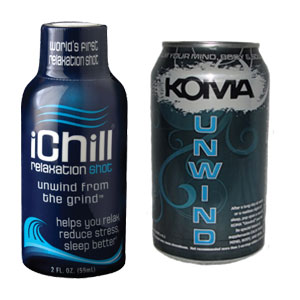
Amid booming sales of energy drinks spiked with caffeine and other stimulating ingredients, some people are heading to the soda aisle for drinks that promise the opposite effect. With names like Neuro Bliss, Marley’s Mellow Mood (as in Bob), and Just Chill, the products aren’t marketed as medicine, but as a way to relax without turning to more traditional, if sometimes imperfect, measures like taking prescription drugs or having a few beers.

Consumers are warming up to drinks that could fill the chasm between taking medication for anxiety or sleep problems and doing nothing, says Paul Nadel, president of Neuro Drinks, a Santa Monica, Calif.-based company that sells a line of six drinks including Neuro Bliss, Neuro Sleep and Neuro Sonic, an energy drink. He says the “overmedicated culture we live in” has primed consumers for the concept of a relaxation drink.

Small studies show that some of the ingredients in relaxation drinks, like melatonin, valerian root and L-theanine, appear to help fight sleeplessness or to create a sensation of relaxation in isolated situations.

Still, clinicians recommend turning to drugs or supplements as a last resort for sleep and anxiety problems after trying daily exercise, a consistent wake-up time, turning off electronics and darkening rooms in the evening, therapy or other measures.

The ingredients appear reasonably safe for most adults, but users should check with a doctor or research how they might mix with other medications or pre-existing illnesses, says Catherine Ulbricht, co-founder of Natural Standard Research Collaboration, a Somerville, Mass., group that evaluates natural therapies.

She notes that this class of beverages with multiple active ingredients hasn’t been well-studied: “I don’t mean to sound scary, but it’s not water.”

Often the drinks are marketed as dietary supplements, a classification under Food and Drug Administration standards that means at least one ingredient isn’t considered conventional food. The FDA doesn’t review the efficacy, safety or quantity of active ingredients in dietary supplements.

The relaxation drinks come as traditional soda sales continue on an almost decadelong decline and more companies are introducing drinks tailored to niche audiences.

More consumers say they want a drink that feels healthier than soda—hence the raft of new, lower-calorie beverages. Some have only natural ingredients, while other so-called “functional” products claim some benefit like energy, sleep or cold-fighting properties.

Big beverage companies are pitching coconut water, energy drinks and fruit smoothies, but so far haven’t dipped their toe into the relaxation business.

It’s not clear the relaxation drink concept will stick. In 2012 relaxation drinks (which includes sleep drinks) accounted for about $32 million in U.S. wholesale sales, a slight increase from previous years, but a tiny amount compared with the $6 billion generated by U.S. energy drinks the same year, says Gary Hemphill, managing director of research for Beverage Marketing Corp. “Some people say, ‘If I want to relax I’m going to have a martini,” Mr. Hemphill says.

Read More at: http://online.wsj.com/article/SB10001424052702304373104579109283589583074.html


Weight loss surgery can increase pain killer dependence

Weight loss surgery can increase pain killer dependence

Initially, researchers assumed that when patients underwent weight loss surgery, they would decrease their dependence on pain medications over time. The reason for their assumption: Obese patients who shed pounds should experience a reduction in pain caused by excess weight in areas such as the knees and back. Instead, however, a new study has revealed that weight loss surgery actually may increase dependence on pain killers, reported U.S. News on October 1.

“Our premise was that because patients who are undergoing bariatric surgery were undergoing such dramatic weight loss, whatever chronic pain they were going through would be relieved and their need for medication would be reduced,” said study author Marsha Raebel, of Kaiser Permanente Colorado in Denver. “We were very surprised to find we were totally wrong. Not only did their chronic use of opioids not go down, it actually went up.”

Researchers discovered that bariatric patients who already used opioid painkillers such as OxyContin and Vicodin increased their drug intake by 13 percent during the first year after surgery. And rather than decrease their dependence as they lost more weight over time, these patients had increased their drug intake by 18 percent three years after.

In the study, which was reported in the Oct. 2 issue of the Journal of the American Medical Association, researchers emphasized that weight loss resulting from procedures such as gastric bypass typically relieves pain linked to the stress that extra pounds place on the knees, back and other joints. But that relief did not influence how much pain medication the patients took.

“We have patients who have pain that simply doesn’t respond to weight loss,” Raebel said. “If the patient thinks that’s the reason they’re going to have bariatric surgery, there should be some counseling to explain their pain may or may not get better after surgery.”

And the experts stress that setting a goal of taking fewer chronic pain killers is essential. Since the 1980s, opioid prescriptions in the nation have quadrupled, as has accidental opioid overdose deaths.

Raebel believes that obese people actually experience pain in a different way.

“Folks who are obese are more sensitive to pain and have lower pain thresholds than people who aren’t obese,” she said. “This altered pain processing continues even after they undergo bariatric surgery.” Therefore, she thinks that their drug usage might increase to help them deal with their continued sensitivity to pain.

Bariatric physician Dr. Brian Sabowitz offered another interpretation of the study.

“Narcotics may not be absorbed the same way after a gastric bypass as they are before a gastric bypass,” said Dr. Sabowitz, who practices in San Antonio, Texas, and serves as an adjunct assistant professor of medicine for the University of Texas Health Science Center in San Antonio. “Maybe one reason narcotic use increased is because people were getting less narcotics

Source:


Statin side effects: Weigh the benefits and risks

Statin side effects: Weigh the benefits and risksDoctors often prescribe statins for people with high cholesterol to lower their total cholesterol and reduce their risk of a heart attack or stroke. Most people taking statins will take them for the rest of their lives, which can make statin side effects difficult to manage.

For some people, statin side effects can make it seem like the benefit of taking a statin isn’t worth it. Before you decide to stop taking a statin, discover how statin side effects can be reduced.


What are statin side effects?

Muscle pain and damage

The most common statin side effect is muscle pain. You may feel this pain as a soreness, tiredness or weakness in your muscles. The pain can be a mild discomfort, or it can be severe enough to make your daily activities difficult. For example, you might find climbing stairs or walking to be uncomfortable or tiring.

Very rarely, statins can cause life-threatening muscle damage called rhabdomyolysis. Rhabdomyolysis can cause severe muscle pain, liver damage, kidney failure and death. Rhabdomyolysis can occur when you take statins in combination with certain drugs, or if you take a high dose of statins.

Liver damage

Occasionally, statin use could cause your liver to increase its production of enzymes that help you digest food, drinks and medications. If the increase is only mild, you can continue to take the drug. If the increase is severe, you may need to stop taking the drug, which usually reverses the problem. Your doctor might suggest a different statin.

If left unchecked, increased liver enzymes may lead to permanent liver damage. Certain other cholesterol-lowering drugs, such as gemfibrozil (Lopid) and niacin, increase the risk of liver problems even more in people who take statins. Because liver problems may develop without symptoms, people who take statins should have their liver function tested about six weeks after they start taking statins, and then again every three to six months for the first year of treatment, particularly if their statin dose is increased, or they begin to take additional cholesterol-lowering medications.

Digestive problems

Some people taking a statin may develop nausea, gas, diarrhea or constipation after taking a statin. These side effects are rare. Most people who have these side effects already have other problems with their digestive system. Taking your statin medication in the evening with a meal can reduce digestive side effects.

Rash or flushing

You could develop a rash or flushing after you start taking a statin. If you take a statin and niacin, either in a combination pill such as Simcor or as two separate medications, you’re more likely to have this side effect. Taking aspirin before taking your statin medication may help, but talk to your doctor first.

Neurological side effects

Some researchers have studied whether statins could be linked to memory loss or amyotrophic lateral sclerosis (ALS), also known as Lou Gehrig’s disease. Researchers have not found a link between statin use and either condition.

Who’s at risk of developing statin side effects?

Not everyone who takes a statin will have side effects, but some people may be at a greater risk than others. Risk factors include:

  • Taking multiple medications to lower your cholesterol
  • Being female
  • Having a smaller body frame
  • Being age 65 or older
  • Having kidney or liver disease
  • Having type 1 or 2 diabetes

What causes statin side effects?

It’s unclear what causes statin side effects, especially muscle pain.

Statins work by slowing your body’s production of cholesterol. Your body produces all the cholesterol it needs for digesting food and producing new cells on its own. When this natural production is slowed, your body begins to draw the cholesterol it needs from the food you eat, lowering your total cholesterol.

Statins may affect not only your liver’s production of cholesterol, but also several enzymes in muscle cells that are responsible for muscle growth. The effects of statins on these cells may be the cause of muscle aches.

How to relieve statin side effects

To relieve statin side effects, your doctor may recommend several options. Discuss these steps with your doctor before trying them:

  • Take a brief break from statin therapy. Sometimes, it’s hard to tell whether the muscle aches or other problems you’re having are statin side effects or just part of the aging process. Taking a break of 10 to 14 days can give you some time to compare how you feel when you are and aren’t taking a statin. This can help you determine whether your aches and pains are due to statins instead of something else.
  • Switch to another statin drug. It’s possible, although unlikely, that one particular statin may cause side effects for you while another statin won’t. It’s thought that simvastatin (Zocor) may be more likely to cause muscle pain as a side effect than other statins when it’s taken at high doses.
  • Change your dose. Lowering your dose may reduce some of your side effects, but it may also reduce some of the cholesterol-lowering benefits your medication has. It’s also possible your doctor will suggest switching your medication to another statin that’s equally effective, but can be taken in a lower dose.
  • Take it easy when exercising. It’s possible exercise could make your muscle aches worse. Talk to your doctor about changing your exercise routine.
  • Consider other cholesterol-lowering medications. Ezetimibe (Zetia), a cholesterol absorption inhibitor medication, may be less likely to cause muscle pain than may statins, or may reduce muscle pain when taken with a statin. However, some researchers question the effectiveness of ezetimibe compared with statins in terms of its ability to lower your cholesterol.
  • Don’t try over-the-counter (OTC) pain relievers. Muscle aches from statins can’t be relieved with acetaminophen (Tylenol, others) or ibuprofen (Advil, Motrin, others) the way other muscles aches can. Don’t try an OTC pain reliever without asking your doctor first.
  • Try coenzyme Q10 supplements. Coenzyme Q10 supplements may help to prevent statin side effects in some people. If you’d like to try adding coenzyme Q10 to your treatment, talk to your doctor first to make sure the supplement won’t interact with any of your other medications.

Source: http://www.riversideonline.com/health_reference/Cholesterol/MY00205.cfm