
Over 1000 Human Genomes Sequenced In Record Breaking Project

A multinational team of scientists reports that they have successfully sequenced 1,092 human genomes from individuals across the globe.

Their new study is the first to break the “1,000 genomes barrier.”

The researchers say the feat is a collegial effort to equip biologists and physicians with information that can be used to understand the normal range of human genetic variants so a patient’s diseased genome can be interpreted in a broader context.

“The DNA donors in the study were not known to have any diseases, so the study gives us the genomic background we need for understanding which genetic variations are ‘within the normal range,’” said Aravinda Chakravarti, Ph.D., professor of medicine and pediatrics and a member of the Institute of Genetic Medicine at the Johns Hopkins School of Medicine in a prepared statement. “With this tool, scientists now have a standard with which they can compare the genome of someone with diabetes, for example.”

Chakravarti said this feat will increase opportunities for understanding a patient’s disease and creating targeted, individualized treatment.

The international group of researchers sampled individuals from 14 different populations and sequenced their full genomes. The sample was based on their ancient migratory history and their genetic relationship to the other populations studied.

Within each population, healthy, unrelated donors were randomly chosen for blood draws. The samples were first transformed into cell lines that can be stored and grown indefinitely so that they will always be available for future studies.

The first human genome to be sequenced made clear that as much as 98.5 percent of human genetic material does not encode proteins as previously thought.

Scientists now know the role of some of the non-protein-coding regions, and that there is reason to suspect that at least some of it plays a role in various disease susceptibility and prevalence.

“The 1000 Genomes Project started at the beginning, with the whole genome and with no bias in the search for disease-related variants toward protein-coding genes,” Chakravarti said. “Regulatory sequences and sequences we still don’t understand were also catalogued, so this information widens the areas of the genome we can search when looking for disease-causing variants.”

The genetic variations the researchers found in the populations analyzed were categorized by how frequently they appeared in the individuals tested. The variants seen in more than five percent of the samples were classified as common. Samples below that were considered of low-frequency, or rare.

The 14 populations sampled included groups from Europe, Africa, East Asia and America. Most of the common variants had already been identified in previous studies and their frequencies varies little between ancestry groups.

The researchers found that among rare variants, the healthy people in their study possessed as many as 130 to 400 protein-altering variants, and 10 to 20 variants that destroy the function of the proteins they encode.

In the healthy people, they also found two to five variants that damage protein function, and one or two variants associated with cancer.

Chakravarti said that several factors allow people to survive with so many errors in our genome, including one that genes occur in pairs, but our bodies require one normal copy to work.

Another error is that a “redundant” gene elsewhere in the genome can sometimes compensate for a specific deficiency. Also, some deleterious genes are only turned on in response to certain environmental cues that a particular individual may never encounter.

“We are all walking natural experiments; some of our genes are switched off, some are active, whilst others are overactive,” said Professor Gil McVean of Oxford University, the lead author for the study. “Our research has found that each apparently healthy person carries hundreds of rare variants of genes that have a significant impact on how genes work, and a handful (from two to five) of rare changes that have been identified as contributing to disease in other people.”

The study was designed so that researchers have access to living cells from all the individuals whose genomes have been sequenced. Scientists can now study how differences in the biology of these cells correlate with genetic differences.

“There are variations that jump out from the data as looking ‘a bit bad for you’, for example mutations in regions that regulate genes are likely to be ‘bad news’ — possibly doing something dramatic to how cells behave,” said Dr Richard Durbin from the Wellcome Trust Sanger Institute, co-chair of the 1000 Genomes Project. “Using our data you can now look to see if natural selection has been getting rid of such mutations — giving you a clue as to how harmful these variants might be.”

The team’s work is already being used to screen for cancer genome mutations that might identify therapeutic pathways. It is also being used to interpret the genomes of children with developmental disorders.

“Our research shows that you can take localism much further: for example, even just within the UK, Orkney islanders will have different variations from mainlanders, and will be different again from those from other nearby islands,” McVean added. “In the future we would like to reach the scale of having a grid of individuals giving us a different genome every couple of square kilometers but there is a long way to go before we can make this a reality.”

Sir Mark Walport, Director of the Wellcome Trust remarked that it is remarkable we have gone from completion of the first human genome sequence in 2003, to sequencing more than 1,000 in less than a decade.

“This study is an important contribution to our understanding of human genetic variation in health and disease and the DNA sequences are freely available for analysis and use by researchers,” Walport said.

The next phase of the project will include as many as 3,000 individuals, according to Dr. Fuli Yu, assistant professor in the Baylor College of Medicine Human Genome Sequencing Center.

“The impact of this project will be huge,” said Yu. “Here we have information on nearly 1,100 people, including their rare and common single nucleotide polymorphisms (SNPs) along with insertions and deletions of the genetic material and large structural variations in the DNA itself.”

The researchers reported their findings in the journal Nature.

Source:


The secrets to reduce painful inflammation

Growing awareness about the causes and effects of inflammation has raised the dietary consciousness of many.  It’s been implicated as the culprit behind everything from acne to swollen joints, and even cancer and heart disease.  You can’t develop immunity to inflammation; there’s no vaccine. But there are ways to protect you.

Recommended diet and lifestyle changes to control inflammation include foods that are high in anti-oxidants:

  • fresh fruits and vegetables
  • fatty fish — rich in essential fatty acids; and
  • Whole grains, like rice and oatmeal that are unprocessed, low in refined carbohydrates and without sugar.

Exercise is high on the list of life-style improvements that ease inflammation. The ideal amount is Not too much (which raises inflammation), but not too little. Target five days a week of steady exercise (brisk walking, swimming, biking) for 30 to 45 minutes.

A good night’s sleep is another important factor. Research shows that not enough sleep (less than six hours), or too much (more than eight hours) results in more inflammation. The American Academy of Sleep Medicine reports that most adults need between seven and eight hours of quality sleep a night.

Although symptoms can appear quickly, inflammatory conditions develop over time.  In addition to upgrading your diet and exercise habits – adding recommended supplements can speed recovery and help protect against further damage.

One such supplement currently available is Nopalea, an all-natural formula derived from the Nopal cactus, or prickly pear, which has been used since ancient times for food and medicinal purposes.

Recent scientific research shows that the Nopal cactus is suggested to have potent anti-inflammatory properties, thanks to rare and powerful nutrients called betalains.  There are 24 known betalains in nature; some are found in beets and rainbow swiss chard, but Nopal cactus fruit is thought to contain the most concentrated amounts.

Now available for a free trial, Nopalea is a delicious, sugar and preservative-free anti-inflammatory wellness drink rich in betalains sourced from the Nopal.  It’s reported to have a variety of health benefits: Everything from reduced aches and pains to improvement in breathing and skin conditions.

Source:


4 Healthy Fats to eat

For years we were told to eat a diet that is low in fat if we wanted to lose weight. Many of us switched to low fat foods that were often high in sugar, salt, and simple carbohydrates. And instead of getting thinner and healthier, there is more obesity and diabetes now than when the low-fat craze started decades ago. It turns out that fat is not the enemy.

Our bodies require a moderate amount of certain kinds of dietary fat to absorb Vitamins A, E, and D, and for the nervous system to function properly. According to studies done at Harvard University lowering overall fat intake does not help people lose weight or prevent heart disease. Rather, it is the overall calorie intake and the type of fat eaten that matters, according to recent research.

Some fats, such as saturated fat and trans fat (sometimes called partially hydrogenated vegetable oil), can cause weight gain and contribute to heart disease and a host of other illnesses. But polyunsaturated and monounsaturated fats actually reduce the risk of heart disease and can prevent belly fat from forming. The Mayo clinic recommends that 20 to 35% of your daily calorie intake should come from fat, and two thirds of that should be unsaturated fat.

These unsaturated fats help build high-density lipoproteins (HDL), the type of cholesterol that is considered healthy for the body. HDL clears the blood stream and arteries of low-density lipoproteins (LDL), the so-called “bad” cholesterol that clogs arteries and can lead to heart disease. In addition to the health benefits, including the right amount of these kinds of fats at every meal helps the body feel more full because they digest slowly and increase absorption of the nutrients in the rest of your food, meaning you are likely to take in fewer calories overall. Here are a few healthy fats you can enjoy in moderation.

Avocados
Avocados are a high-density food packed with nutrients, including 20 necessary vitamins and minerals such as Vitamins C, E, and K, thiamine, potassium, and fiber. The fat in avocados is over 75% monounsaturated and polyunsaturated, and it combines synergistically with the fiber and other nutrients in avocados for maximum assimilation. In both taste and nutrient content avocados blend especially well with dark leafy greens like kale, spinach, and arugula, helping us get the goods from the greens and feel truly satisfied by a salad.

Salmon and Other Cold Water Fish
Fatty cold-water fish, such as wild salmon and mackerel, are the highest source of omega-3 essential fatty acids. These acids, called “essential” because our bodies do not produce them so they must be obtained through food, can prevent heart disease, clear triglycerides (“bad fat”) from the body, and may help with other conditions such as inflammation, rheumatoid arthritis, and depression. The most important omega-3s, DHA and EPA, are only found in cold-water, fatty fish, and some algae. These fish are also a great source of lean protein. While there is the potential for contamination by mercury or environmental toxins in some fish, the health benefits of a small portion of wild fish outweigh the potential dangers. Note that the omega-3s are only present in wild, fatty, cold-water fish, not farmed.

Olive Oil
Olives and their oil have been a staple in central European diets for thousands of years, for good reason. They are low in calories and contain mostly the cholesterol shifting monounsaturated fat. Olive oil is unstable when heated, so it is best to use it on salads or only in low-heat cooking.

Nuts and Seeds
Raw nuts and seeds also contain mostly unsaturated fat and high amounts of protein. They are an easy and healthful snack, and like the other unsaturated fats contain vital vitamins and minerals. Flax seeds contain omega-3 and omega-6 fatty acids, and chia seeds are the highest vegetarian source of omega-3s. Almonds are the only nuts, and one of few protein sources, that are alkalinizing to the body. Monounsaturated fats are unstable and break down at high heat, so choose raw nuts, not roasted ones. Most raw nuts and seeds need to be processed in some way to break down the enzyme inhibitors they contain that inhibit digestion. Flax seeds need to be ground and soaked and all nuts except Brazil need to be soaked for 6 to 12 hours.

The key with fat intake, and any sustainable diet, is moderation. Enjoy a handful of almonds as a snack, half of an avocado with lunch, and a few tablespoons of olive oil with dinner, and you will be getting a good dose of the healthy fats that can help you in you efforts to lose weight and be healthy.

Source:


7 Healthy Drinks to Awaken the Body

We all know the importance of a well-balanced breakfast; whole grains, fruits and proteins give us the fuel we need for the day ahead. However, a healthy beverage early in the AM can also help wake us up and provide valuable energy and nutrition that will last long beyond rush hour.

And while you can’t put pure sunshine in a glass, check out these 7 tasty, energizing and easy-to-prepare morning drinks

1. Water

Start simple- one glass of filtered water when you wake up can increase your alertness, improve your decision-making ability and promote better blood circulation and higher oxygen levels. Adequate water intake also enhances mood and eliminates signs of dehydration (so you won’t look as tired!). Remember, the human body and its vital organs require at least 64 fluid ounces of water per day- so begin in the right direction.

2. Coconut Water

Coconut water contains an abundance of energizing vitamins and minerals and is well regarded for its range of health benefits: coconut water hydrates a dehydrated body and balances electrolyte levels; coconut water works to remove harmful toxins from the body; and it helps balance the digestive systems due to its anti-fungal, anti-microbial and anti-viral properties. Great for beginning your day in health!

3. Smoothies

Fresh fruit and vegetables help re-energize the body at any time of day, so why not begin your morning with a fruit/veggie smoothie? Popular breakfast-time smoothie ingredients are: strawberries, melons, mangos, bananas, yogurt, citrus fruits, eggs, spinach and almonds, among many others. If you have a blender, your smoothie can be ready in a minute or less, perfect for grab-and-go before your commute.

4. Hot Green Tea with Honey and Lemon

Green tea is a great alternative to high-caffeine coffee drinks that helps you wake up without overloading your system. Green tea contains an abundance of antioxidants that fight cell damage, helps to lower cholesterol levels and improves blood circulation and works to stabilize blood glucose levels and protects brain cells from free radical damage. Green tea is also said to relax the nervous system… helping you start your day in peace and calm.

5. Pure Orange Juice (Not from Concentrate!)

Drink at least eight ounces of 100 percent pure orange juice as an early AM energizing beverage. Orange juice has an abundance of vitamin C, which produces hemoglobin- an agent that carries oxygen to all the body’s vital organs. The sharp citrus taste of pure OJ also helps enliven your senses, waking you to the day ahead.

6. Bee Pollen with Pure Honey

Bee pollen is a newly popular “superfood” commonly mixed with other breakfast items such as oatmeal and porridge. It contains amino acids and essential fatty acids, great for early morning energy, and it can be mixed with water (or any other liquid) along with natural honey for great taste.

7. Organic Apple Cider Vinegar

Apple cider vinegar is overbearingly strong by itself, but when diluted within seltzer or pure water this substance makes a stimulating beverage full of minerals, vitamins and probiotics. Try a few drops mixed with black tea to add some nutritious punch to your normal beverage routine.

See more at:


Know the Signs of a Hip Strain

The muscles supporting the hip may become strained from overuse or an injury. You’re more likely than the average person to develop a strained hip if you’ve already had a similar injury, if you don’t warm up before exercise, or if you overdo it and injure your hip.

The American Academy of Orthopaedic Surgeons says warning signs of a hip strain may include:

  • Pain in the hip area, which is the most common symptom.
  • Pain during use of the hip muscles.
  • Swelling, a symptom of a more severe strain.
  • Weakness in the hip muscle.

Source:


Develop Healthy Habits at Any Age

No matter your age or physical condition, it’s never too late to make healthy lifestyle changes.

The U.S. Government’s Weight-Control Information Network suggests these preliminary steps:

  • Imagine yourself as a healthier person who feels better, looks better and has more energy. Then ask yourself how you can make healthier food choices and get more exercise.
  • Devise a plan to overcome any roadblocks. For instance, squeeze in exercise after dinner or on your lunch break, or create a healthier version of your favorite meal.
  • Participate in fun physical activities, enlist support from loved ones and treat yourself to appropriate rewards.
  • Once you’re in a healthy routine, keep yourself motivated by maintaining a positive attitude, even if you backslide.

Source:


Enjoy the goodness of tomatoes

TOMATOES are widely available, people of all ages and cultures like them, they are cost-effective, and are available in many forms. Tomatoes and tomato products are one of the most familiar vegetables in the many people’s diet. They are heaven on a burger and superstars in a sauce and a plate of rice served in the northern Nigeria is not complete when it is not garnished with slices of tomatoes and onion.

Most people tend to assume that tomato is more for making stews and soups to enjoy a bowl of boiled rice, amala, tuwo or fufu, but these fruits are definitely foods that contain a myriad of health benefits for the body because of its essential nutrients.

One serving of raw tomatoes (about 150 grams) contains vitamins A, C, K, folate, and potassium. Tomatoes are naturally low in sodium, saturated fat, cholesterol, and calories. Tomatoes also contain thiamine, niacin, vitamin B6, magnesium, phosphorus, and copper as well as natural oxidants such as lycopene. All are needed to support a healthy body.

In addition, a portion of tomato provides two grams of fiber, which is seven per cent of the recommended daily fiber intake. Tomatoes also have relatively high water content.

More than that, there are a few more benefits of tomatoes for health that many individuals need to be aware of and maximize: Here are a few:
Protects from stroke

Researchers in a report published in the journal, Neurology, has linked lycopene levels in the blood to stroke protection. Lycopene is what gives tomatoes its red color. They made this connection after following more than a thousand middle-aged men for 12 years.

Men with the greatest amounts of lycopene in their blood had a 55 per cent lower chance of having any kind of stroke. The lycopene connection was even stronger (59 per cent) when it came to protecting against strokes due to blood clots (the most common type).

The researchers suggested taken lycopene-rich meals, in addition to its ability to attack free radicals, may also reduce inflammation and cholesterol, improve immune function, and prevent blood from clotting. All of these may help reduce ischemic strokes, which are caused by clot-caused blockages in blood flow to the brain.

The health benefits of tomatoes are

1. Beauty Skin
2. Fights cancer
3. Supports healthy hearts
4. Supports good blood pressure control
5. Battles bad cholesterol
6. Boosts bone health
7. Promotes healthier sleep
8. Helps relieve back pain, arthritis

Source: tribune.com


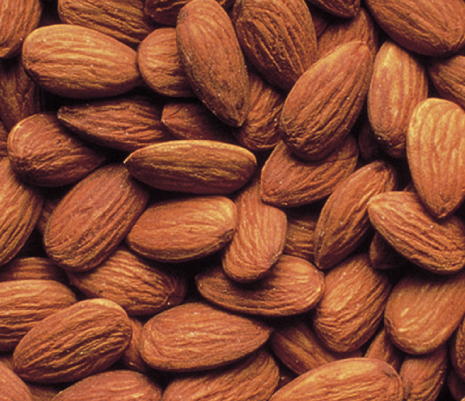
The health benefits of almonds

You may have heard ‘almonds are healthy’ from your parents and eaten them, knowing that they are great sources of vitamins. But do you know the exact health benefits of these tasty nuts?

We enlighten you with a few…

– Did you know, almonds provide you with brain power? They contain many essential nutrients, which can actually help you improve the way you think!

They are great for the skin. If you add almond oil or almond milk to your skincare regime, it will make your skin softer, more supple and flawless. You can also massage almond oil into your skin.

– Almonds contain minerals like potassium, folic acid, protein, mono-saturated fats and vitamin E. Hence eating them can significantly reduce your chances of heart diseases.

– If you are in the habit of consuming cups of coffee and energy drinks to get a boost of energy, try eating almonds instead! Riboflavin, copper and manganese in the nuts will give you stamina.

– Like blueberries and pomegranates, almonds are super foods that can help reduce weight significantly. Drink unsweetened almond milk for faster weight loss.

– Last but not the least; almonds regulate your blood pressure because they are high in potassium and low in sodium. They also help in keeping your cholesterol levels in check.

Source: http://articles.timesofindia.indiatimes.com


Open-air burning of funeral pyres : a source of carbon aerosols

Smoke from open-air burning of funeral pyres in India and Nepal is a significant source of production of carbon aerosols, a new study has claimed.

Rajan Chakrabarty, Ph.D., an assistant research professor at the Desert Research Institute, began looking into the regional inventories of human-produced sources of carbon aerosol pollution in South Asia, considered to be a climate change hot spot, he knew something was missing.

Chakrabarty said that current emission inventories do not account for cultural burning practices in Asia as aerosol sources.

Teaming up with Shamsh Pervez , Ph.D., a professor of Chemistry at the Pandit Ravishankar Shukla University, India and a 2011 Fulbright fellow to DRI, Chakrabarty designed and executed a comprehensive study to investigate the nature and impact of pollutant particles emitted from the widely-prevalent cultural practice of open-air funeral pyre burning in India and Nepal.

More than seven million pyres, each weighing around 550 kilograms, are burned every year throughout India and Nepal and these pyres consume an estimated 50 to 60 million trees annually.

Chakrabarty and colleagues found to their surprise that funeral pyre emissions contain sunlight-absorbing organic carbon aerosols known as brown carbon.

In the past, numerous studies have identified black carbon aerosols emitted from combustion of fossil fuels and residential biofuels as the dominant light-absorbing aerosol over South Asia.

The researchers estimate the mean light-absorbing organic aerosol mass emitted from funeral pyres to be equivalent of approximately 23 percent of the total carbonaceous aerosol mass produced by anthropogenic burning of fossil fuels, and 10 percent of biofuels in the region.

The study has been published in Environmental Science and Technology Letters.

Source: http://www.aninews.in/


Amazing facts about humans revealed!

An average human being eats approximately 35 tons of food and grows 590 miles of hair in their lifetime, it has been revealed.

The new book ‘Numberland’ by Mitchell Symons has revealed that 19 percent of British people have never visited a McDonald’s and10 percent of British adults admit to wearing the same item of underwear three days in a row, the Daily Express.

The book published by Michael O’Mara Books disclosed some fascinating facts and statistics about humans which shows that a person who smokes 20 cigarettes a day, on an average loses 2 teeth every 10 years and a person will walk 3 times around the world in the average lifetime.

The book also uncovered that an average human could lift 25 tons if all 600 muscles in the body pulled in one direction and a person can go without sleep for 10 days before dying.

Some interesting facts about human body as revealed in the book are that an individual sheds 121 litres of tears in a lifetime; human sneeze travels 100 miles per hour and that the human brain is capable of recording 86,000,000 bits of information per day

Source: